Every serious photographer and videographer knows the secret to truly sharp, professional-grade imagery often lies not just in the camera, but in the foundation it rests upon. In the world of camera supports, the metal tripod stand has long been a stalwart, earning its reputation for unparalleled stability and rugged durability. While newer materials have emerged, the classic metal tripod continues to be a favorite for countless creators who demand unwavering support for their valuable gear. At SxJks, we’ve seen trends come and go, but the enduring appeal of a reliable metal stand remains a constant in the pursuit of photographic excellence.
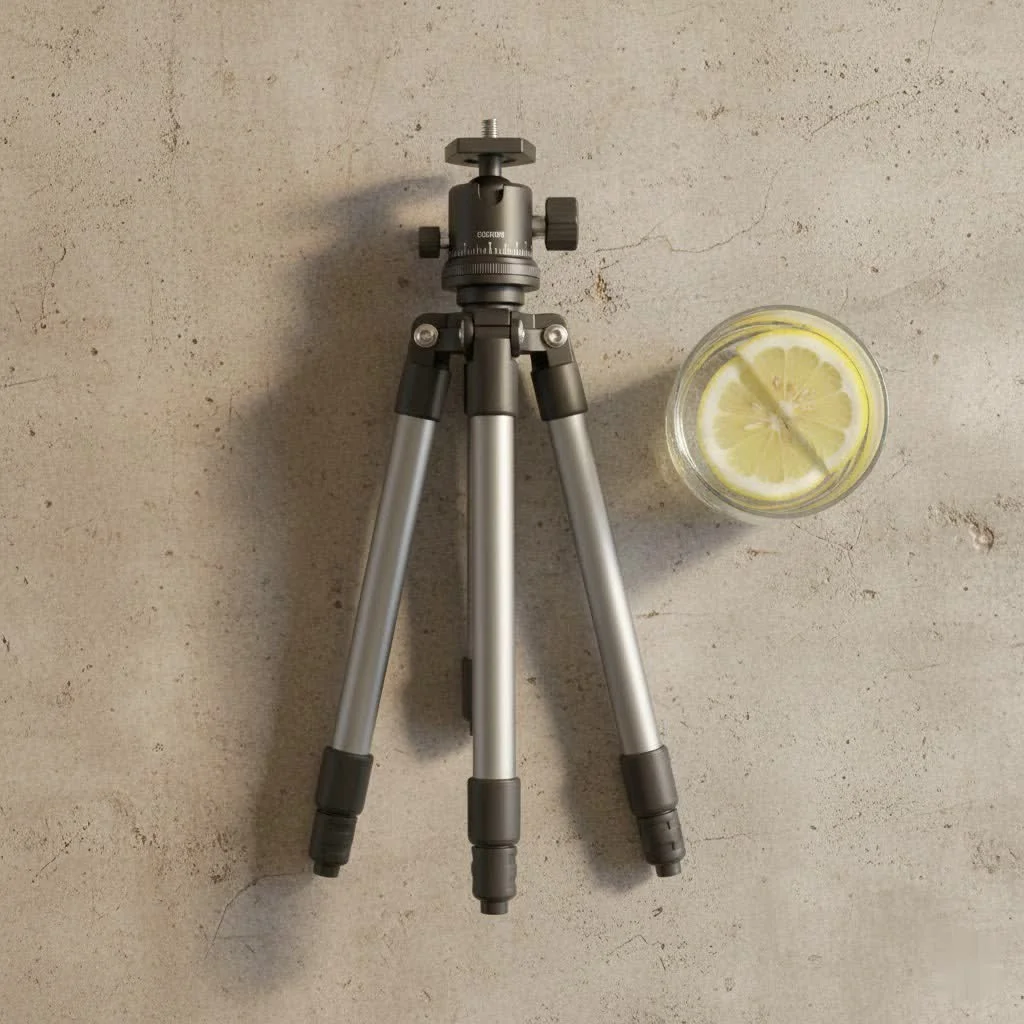
For anyone navigating the vast landscape of camera accessories, understanding the core strengths of a metal tripod stand is crucial. It’s more than just three legs and a head; it’s an investment in the consistency and quality of your work. From intricate studio setups to demanding outdoor shoots where stability is paramount, a well-chosen metal tripod can truly elevate your craft, providing the rock-solid platform your creativity deserves.
The Unshakeable Truth: Advantages of a Metal Tripod Stand
When it comes to securing your camera, especially heavy DSLR rigs or professional video cameras, the benefits of a metal tripod stand are clear. Its inherent properties make it a go-to choice for a multitude of scenarios where stability cannot be compromised.
Unyielding Stability and Superior Load Capacity
What truly sets a metal tripod stand apart is its raw ability to hold significant weight without flinching. Crafted primarily from aluminum or even magnesium alloys, these tripods are built tough. Their robust construction means they can confidently support professional cameras, long telephoto lenses, and even full video setups, keeping them steady even in challenging conditions. The sheer mass of a metal tripod stand works in your favor, acting as a natural dampener against vibrations and offering an incredibly stable base for critical shots. This is a game-changer for tack-sharp images, especially when shooting with slower shutter speeds or in windy environments.
Durability That Lasts a Lifetime
Think about the gear you rely on in the field. You need equipment that can take a knock, withstand the elements, and keep performing. This is where a metal tripod stand truly shines. Aluminum, a common material for these stands, is celebrated for its resistance to impact and general wear and tear. Unlike some materials that might crack under sudden stress, a sturdy metal tripod stand is more likely to endure the bumps and scrapes of an active shooting life. With proper care, a quality metal tripod stand can genuinely last for decades, becoming a trusted companion throughout your photographic journey.
Practical Affordability
|
Our Picks for the Best Tripod Stand in 2026
As an Amazon Associate I earn from qualifying purchases.
|
||
| Num | Product | Action |
|---|---|---|
| 1 | 64” Tripod for Cell Phone & Camera, Phone Tripod with Remote and Phone Holder, Sturdy & Stable Height Adjustable Multi-Angle Shot Selfie Stick Tripod for Video Recording |

|
| 2 | Projector Stand Tripod Adjustable, Laptop Height from 23.5 to 46.5 inches with Gooseneck Phone Holder, Floor for Office, Home, Stage, Studio, DJ Racks Holder Mount, 23.5inch-46.5inch |
|
| 3 | Laptop Tripod Stand – Adjustable Laptop Holder with Phone Mount - Heavy- Duty Alloy Tripod Stand with Tray - Height Adjustable 0.65–1.6m - Portable, Foldable, 15kg Load Capacity - Black |
|
| 4 | CAMBOFOTO 74\"-Camera-Tripod, Professional Aluminum Tripod/Leg Stand Mirrorless Camera/DSLR/Cell Phone/Camcorder/GoPro, with Phone Holder and Travel Bag (Gunmetal Gray) Weight 2.8 lbs Load 8.8 lbs |
|
| 5 | Amazon Basics 50-inch Lightweight Portable Camera Tripod Stand with Quick-Release Plate, Adjustable Height, Aluminum, for Travel Photography, Champagne |
|
| 6 | IFOOTAGE RB-A400 Round Base Light Stand Monopod, 79\" Tripod Monopod for Cameras, Lights, Webcam, Live Streaming, Vlogging, Payload 22LBS |
|
| 7 | 71” Phone Tripod & Selfie Stick, Portable All in One Extendable Cell Phone Tripod Stand, with Wireless Remote Control for iPhone/Samsung/Android/Camera |
|
| 8 | TONEOF 68\" Magnetic Selfie Stick Tripod with Aluminum Strong Magnetic Holder for Magsafe, 360° Rotatable Travel Phone Tripod Stand with Metal Ring & Rechargeable Remote for iPhone/Android(Beige Gray) |
|
| 9 | EUCOS 62\" Phone Tripod, Tripod for iPhone & Selfie Stick with Remote, Extendable Cell Phone Stand & Ultimate Phone Holder, Solidest Phone Stand Compatible with iPhone/Android |
|
| 10 | SENSYNE 62\" Phone Tripod & Selfie Stick, Extendable Cell Phone Tripod Stand with Wireless Remote and Phone Holder, Compatible with iPhone Android Phone, Camera |
|
Let’s be real, professional photography gear can be a significant investment. One of the most compelling advantages of a metal tripod stand is its cost-effectiveness. Generally, aluminum tripods are considerably more budget-friendly than their carbon fiber counterparts, often coming in at less than half the price for comparable load capacity. This makes a high-quality metal tripod stand an accessible option for aspiring photographers building their kit, as well as seasoned pros looking for robust performance without breaking the bank. It proves that you don’t have to sacrifice quality or stability for a good price.
Inherent Rigidity and Minimal Flex
While the weight contributes to overall stability, the material itself provides a high degree of rigidity. The solid construction of a metal tripod stand means there’s very little flex or wobble when your camera is mounted. This stiffness is vital for precision work, ensuring that your composition remains exactly where you set it and that any subtle movements are minimized, contributing directly to sharper, clearer images and smoother video footage.
Beyond the Basics: Understanding Metal Materials in Tripods
While we often refer to them simply as “metal” tripods, it’s worth noting the specific alloys that give these stands their remarkable properties.
Aluminum: The Photography Workhorse
Aluminum is by far the most common metal used in tripod construction. It offers an excellent balance of strength, durability, and weight. Modern aluminum alloys used in quality tripod stands are engineered to be robust yet manageable, providing a strong, rigid frame that resists bending and flexing under load. It’s an ideal choice for general-purpose photography and video, offering reliable performance without the premium cost of other materials.
Magnesium: The Lighter, Stronger Alternative
Less common as a primary material for entire leg sets but often found in critical components like the spider (the central casting where the legs attach) or leg locks, magnesium alloys offer a superb strength-to-weight ratio. When incorporated into a metal tripod stand, magnesium can help reduce overall weight while maintaining or even increasing structural integrity. While a full magnesium tripod might be rare, its presence in key areas significantly enhances performance.
Weighing Your Options: Metal Tripod Stand vs. Carbon Fiber
The “metal vs. carbon fiber” debate is as old as photography itself, and each has its place. Understanding their differences helps in making an informed decision.
The Weight vs. Stability Trade-off
This is often the biggest deciding factor. A metal tripod stand, particularly one made of aluminum, will generally be heavier than an equivalent carbon fiber model. While this added weight can be a disadvantage for extensive hiking or air travel, it’s a significant asset for stability. In windy conditions or when using very heavy camera gear, the extra heft of a metal tripod can provide a more grounded, unmoving platform. Carbon fiber’s lightness is a boon for portability, but you might find yourself adding weight to it for maximum stability in certain situations.
Vibration Dampening Differences
Carbon fiber boasts superior vibration-dampening properties due to its composite nature, absorbing subtle shakes more effectively than metal. However, a heavy, well-designed metal tripod stand can still achieve excellent vibration reduction through its sheer mass and robust construction. For many applications, the difference is negligible, especially when employing good tripod technique.
Cost Implications
As mentioned, affordability is a major win for the metal tripod stand. If budget is a primary concern, you can get a highly stable and durable aluminum tripod for a fraction of the cost of a comparable carbon fiber model. This makes high-quality support accessible to a wider range of creators.
Environmental Considerations
Aluminum is resistant to many environmental factors, but prolonged exposure to saltwater without proper cleaning can lead to corrosion (oxidation, pitting). Carbon fiber is generally more resistant to moisture and temperature extremes. On the flip side, carbon fiber can be brittle and prone to shattering if subjected to a very sharp, hard impact, especially in extremely cold temperatures, whereas aluminum might only dent.
Impact Resistance
In terms of overall resilience to bumps and drops, aluminum tends to be more forgiving. It might dent or bend, but it’s less likely to shatter or crack from a sudden, sharp impact compared to carbon fiber. This makes a metal tripod stand a robust choice for photographers who often find themselves in rugged or unpredictable environments.
Putting it to Practice: When to Choose a Metal Tripod Stand
Knowing the strengths of a metal tripod stand helps you decide if it’s the right tool for your specific creative needs.
Studio Photography & Video Production
In a controlled studio environment, portability is less of a concern, and absolute stability is king. A heavy metal tripod stand provides the perfect, immovable base for precise lighting setups, product photography, portrait sessions, and video interviews where smooth, consistent shots are non-negotiable. Their ability to handle heavy camera rigs with ease makes them ideal for professional studio work.
Heavy Camera Setups & Telephoto Lenses
If you frequently shoot with large, heavy DSLRs or mirrorless cameras paired with long, weighty telephoto lenses, a metal tripod stand is often the most sensible choice. The extra stability and high load capacity ensure your expensive gear is securely supported, minimizing lens creep and camera shake, allowing you to capture tack-sharp details even at extreme focal lengths.
Budget-Conscious Photographers
For those building their kit or working within a tighter budget, a metal tripod stand offers outstanding value. You can acquire a professional-grade, highly stable, and durable support system for a significantly lower investment compared to premium carbon fiber models. This allows you to allocate more of your budget to other essential gear like lenses or lighting.
Stationary Outdoor Shoots
While carbon fiber excels for extensive hiking, a metal tripod stand is an excellent choice for outdoor photographers who don’t need to trek long distances. Think landscape photography from a roadside vista, wildlife observation from a fixed position, or astrophotography where your setup remains in one spot for extended periods. Its weight becomes an asset against wind and uneven terrain, providing a steadfast platform.
Caring for Your Companion: Maintenance Tips for Your Metal Tripod Stand
Even the most durable metal tripod stand benefits from regular care to ensure its longevity and peak performance. Simple habits can make a huge difference.
Clean and Dry After Every Outdoor Use
Especially after shooting in wet, sandy, or dusty conditions, it’s crucial to clean your metal tripod stand. Extend all the leg sections and wipe them down with a damp cloth to remove grit and grime. Pay particular attention to the leg locks and joints. Always ensure your tripod is thoroughly dried before collapsing it for storage, as moisture trapped inside can lead to corrosion over time, even with aluminum.
Lubricate Joints and Locks Periodically
Moving parts, such as leg locks and the center column mechanism, can benefit from occasional lubrication. Use a small amount of silicone-based lubricant (avoid petroleum-based products which can attract dirt or degrade plastics) on the moving surfaces. This keeps the leg sections sliding smoothly and the locks engaging firmly, preventing stiffness or wear.
Inspect for Wear and Tear
Regularly examine your tripod for any signs of damage. Check the leg locks for proper tension, ensure the rubber feet are intact, and inspect all screws and bolts for tightness. Small issues can become bigger problems if left unaddressed. A quick visual check before and after each shoot can catch potential issues early.
Address Corrosion Promptly
While aluminum is corrosion-resistant, it can oxidize. If you notice a white or gray powdery substance forming, especially on exposed parts, clean it off with a mild abrasive pad and consider applying a protective coating or wax, particularly if you frequently expose your tripod to harsh elements like saltwater spray.
As Lena Petrova, a renowned photography equipment specialist, always says, “A good photograph starts with a solid foundation, and often, that foundation is a well-chosen metal tripod stand. It’s not just about holding your camera; it’s about holding your vision steady.”
Frequently Asked Questions
What type of metal is commonly used in tripod stands?
The most common metal used in tripod stands is aluminum alloy, chosen for its excellent balance of strength, durability, and relatively lighter weight compared to other metals, alongside its cost-effectiveness.
Are metal tripod stands good for travel?
While generally heavier than carbon fiber, many modern metal tripod stands are designed to be compact and collapsible, making them suitable for certain types of travel, especially when extreme lightweight portability isn’t the absolute top priority.
How much weight can a metal tripod stand hold?
The load capacity of a metal tripod stand varies significantly by model and design, but many professional-grade aluminum tripods can comfortably support between 15 to 30 pounds (7-14 kg) or even more, making them ideal for heavy camera setups.
Do metal tripod stands rust?
Aluminum tripod stands do not rust in the same way iron or steel does. However, they can oxidize and form a white or gray powdery corrosion (aluminum oxide) if frequently exposed to moisture and harsh environmental elements without proper cleaning and care.
Is an aluminum tripod better than carbon fiber for stability?
For sheer resistance to movement and anchoring power, the added weight of an aluminum tripod stand can sometimes offer a perceived advantage in stability, especially in windy conditions or with very heavy gear. However, carbon fiber generally excels in stiffness-to-weight ratio and vibration dampening. The “better” choice depends on your specific needs, prioritizing either weight or raw stability.
Solidifying Your Vision with a Metal Tripod Stand
Choosing the right metal tripod stand is more than just picking an accessory; it’s about investing in the stability and quality of your photographic and videographic endeavors. From its unparalleled strength and durability to its cost-effective nature, a reliable metal tripod stand provides a steadfast foundation that allows you to focus on capturing the perfect shot without worrying about your gear. Whether you’re a seasoned professional commanding a heavy studio setup or an enthusiastic amateur looking for a robust and affordable solution, the enduring virtues of a metal tripod stand make it a foundational piece of equipment in any creator’s arsenal. Visit SxJks.com for more in-depth guides and reviews to help you make the most of your photography equipment!
Get our weekly buyer guide
Practical specs, not advice. Unsubscribe anytime.