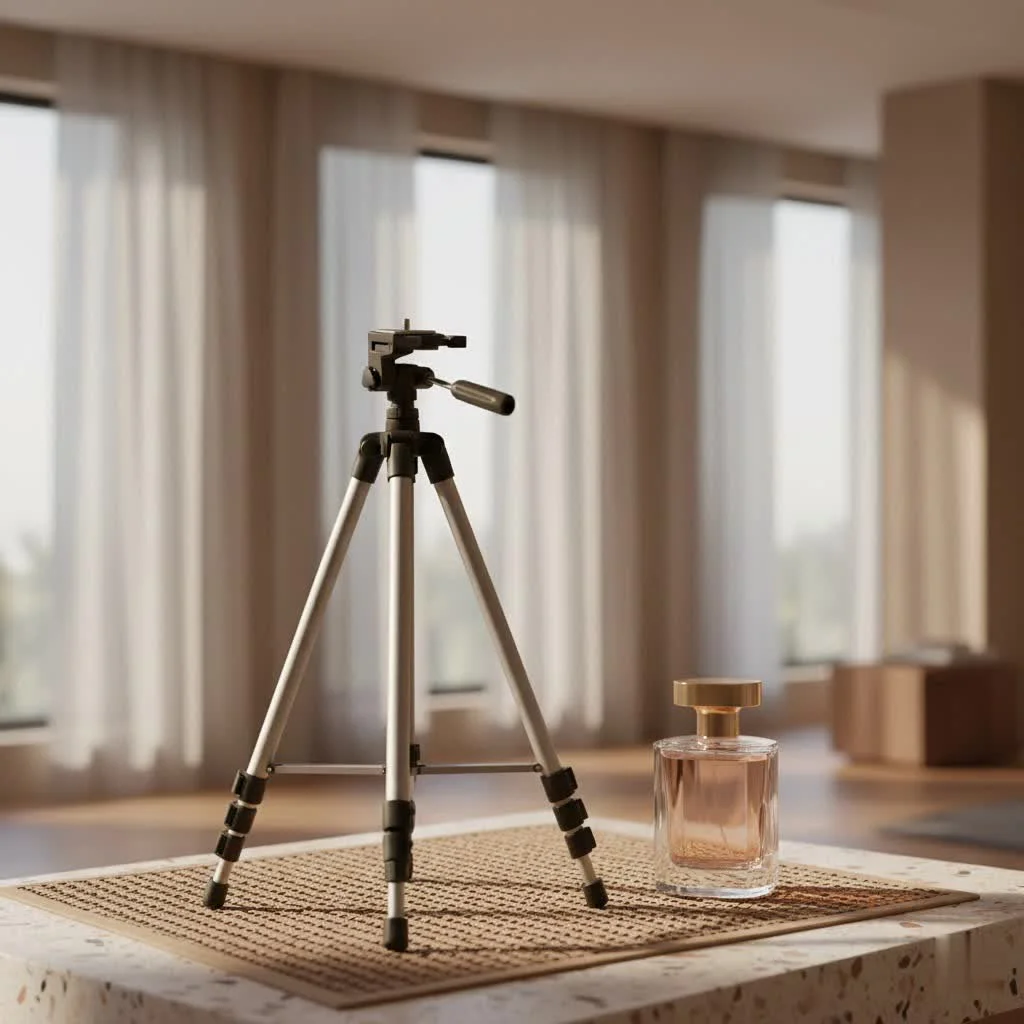
A tripod monitor stand is a portable, collapsible support system designed to elevate and position external monitors, laptops, or tablets in diverse settings, offering ergonomic flexibility and space efficiency. These stands are indispensable for professionals like videographers, digital nomads, and presenters who require adaptable gear for various work environments. Unlike fixed desk mounts, tripod monitor stands use three extendable legs for balanced support, even on uneven ground, and feature a central column with articulating joints for dynamic height, pan, and tilt adjustments. This allows users to create an ergonomic workspace anywhere, ensuring optimal viewing height and angle for their display.
What Exactly is a Tripod Monitor Stand?
At its core, a tripod monitor stand is a portable, collapsible support system designed to elevate and position external monitors, laptops, or tablets in diverse settings. Unlike fixed desk mounts or bulky monitor arms that are permanently attached to a surface, these stands utilize three extendable legs to provide balanced support, even on uneven ground. Most models feature a central column with articulating joints, allowing for dynamic height, pan, tilt, and sometimes roll adjustments. Think of it as a camera tripod, but specifically engineered for your display, ensuring your monitor is always at the optimal viewing height and angle. For best tripod stands roundups on this site.
These versatile stands are widely embraced by professionals who frequently travel or work in varied locations. Field engineers, on-site photographers and videographers, content creators capturing spontaneous moments, remote workers attending pop-up offices or co-working spaces, and even gamers using secondary displays at conventions or LAN parties all benefit immensely. The primary advantage is the ability to replicate an ergonomic desktop setup anywhere, significantly improving posture and reducing the neck strain often associated with looking down at a laptop screen for extended periods.
Why Portable Tripod Monitor Stands Are Gaining Popularity
The modern professional landscape, characterized by the rise of hybrid work models, has dramatically amplified the demand for mobile workstation solutions. A 2023 survey revealed that over 41% of knowledge workers now split their time between home, the office, and third locations like cafes or client sites. This significant shift necessitates accessories that maintain productivity and comfort across all environments.
Portable tripod monitor stands directly address several common pain points: the perennial issue of limited desk space, poor ergonomics when working on low tables, and the sheer difficulty of transporting traditional, rigid monitor arms. Their compact folded size, often less than 18 inches long, allows for convenient storage in backpacks or carry-on luggage. Continuous advancements in materials science have led to the development of lighter yet stronger alloys, enhancing durability without adding unnecessary bulk. The visibility of these stands has been further boosted by social media influencers and tech reviewers, who frequently showcase their ease of assembly and versatility in real-world scenarios, including outdoor shoots and events, across platforms like YouTube and TikTok.
Types of Tripod Monitor Stands
Just like any specialized gear, tripod monitor stands come in various forms, each suited for different needs and budgets:
- Standard Aluminum Tripod Stands: Constructed from aircraft-grade aluminum, these models offer an excellent balance of strength and weight. They typically support 4–8 kg (9–18 lbs), making them suitable for most LCD monitors. While durable and corrosion-resistant, budget-friendly variants might require tools for adjustments.
- Carbon Fiber Hybrid Models: For those where minimizing weight is critical—such as drone operators or videographers who count every ounce—carbon fiber hybrids are the premium choice. Weighing as little as 2.5 lbs, they maintain impressive rigidity and offer superior vibration damping, though they come at a higher price point.
- Plastic/Fiberglass Budget Options: Targeted at casual users needing basic elevation, these stands are the most affordable, often ranging from $20–$40. While highly portable, they typically have limited load capacities (under 3 kg) and may be prone to wobbling under larger or heavier screens.
- Multi-Arm Articulating Tripods: These advanced stands feature gooseneck or multi-joint arms, allowing for complex positioning. They are ideal for dual-monitor setups or integrating cameras and other accessories. While offering high adjustability for creative workflows, they tend to be bulkier when folded and require more setup time.
Key Features to Look for in a Tripod Monitor Stand
Choosing the right tripod monitor stand requires careful consideration of several critical features:
Weight Capacity
|
Our Picks for the Best Tripod Stand in 2026
As an Amazon Associate I earn from qualifying purchases.
|
||
| Num | Product | Action |
|---|---|---|
| 1 | 71” Phone Tripod & Selfie Stick, Portable All in One Extendable Cell Phone Tripod Stand, with Wireless Remote Control for iPhone/Samsung/Android/Camera |

|
| 2 | Projector Stand Tripod Adjustable, Laptop Height from 23.5 to 46.5 inches with Gooseneck Phone Holder, Floor for Office, Home, Stage, Studio, DJ Racks Holder Mount, 23.5inch-46.5inch |
|
| 3 | Amazon Basics 50-inch Lightweight Portable Camera Tripod Stand with Quick-Release Plate, Adjustable Height, Aluminum, for Travel Photography, Champagne |
|
| 4 | IFOOTAGE RB-A400 Round Base Light Stand Monopod, 79\" Tripod Monopod for Cameras, Lights, Webcam, Live Streaming, Vlogging, Payload 22LBS |
|
| 5 | EUCOS 62\" Phone Tripod, Tripod for iPhone & Selfie Stick with Remote, Extendable Cell Phone Stand & Ultimate Phone Holder, Solidest Phone Stand Compatible with iPhone/Android |
|
| 6 | CAMBOFOTO 74\"-Camera-Tripod, Professional Aluminum Tripod/Leg Stand Mirrorless Camera/DSLR/Cell Phone/Camcorder/GoPro, with Phone Holder and Travel Bag (Gunmetal Gray) Weight 2.8 lbs Load 8.8 lbs |
|
| 7 | SENSYNE 62\" Phone Tripod & Selfie Stick, Extendable Cell Phone Tripod Stand with Wireless Remote and Phone Holder, Compatible with iPhone Android Phone, Camera |
|
| 8 | 64” Tripod for Cell Phone & Camera, Phone Tripod with Remote and Phone Holder, Sturdy & Stable Height Adjustable Multi-Angle Shot Selfie Stick Tripod for Video Recording |
|
| 9 | TONEOF 68\" Magnetic Selfie Stick Tripod with Aluminum Strong Magnetic Holder for Magsafe, 360° Rotatable Travel Phone Tripod Stand with Metal Ring & Rechargeable Remote for iPhone/Android(Beige Gray) |
|
| 10 | Laptop Tripod Stand – Adjustable Laptop Holder with Phone Mount - Heavy- Duty Alloy Tripod Stand with Tray - Height Adjustable 0.65–1.6m - Portable, Foldable, 15kg Load Capacity - Black |
|
This is non-negotiable. Always ensure the stand can support your monitor’s weight plus a safety margin, ideally at least 20% above the actual monitor weight. Check the manufacturer’s specifications directly, as third-party listings might sometimes exaggerate limits. For instance, a typical 24-inch IPS panel might weigh 5–7 kg, including its base.
VESA Compatibility
Most tripod monitor stands adhere to universal VESA mounting standards, typically 75x75mm or 100x100mm patterns. However, larger or curved monitors might require different patterns like 200x100mm or 200x200mm adapters. Always verify compatibility before making a purchase.
Height Adjustability
Look for a wide range of height adjustment. A good portable stand should extend from around 12 inches (collapsed) to 24+ inches (extended). Some advanced models can reach up to 40 inches, catering to standing desk setups. Smooth gas-spring or friction-based systems are often preferred for easy, one-handed operation.
Portability Metrics
If frequent travel is part of your routine, prioritize models with a folded length under 18 inches and a weight below 4 lbs. Consider whether the stand includes a carrying pouch or a protective hard case for easy transport and storage.
Stability Mechanisms
A wide leg span significantly enhances balance, especially on softer or uneven ground. Look for rubberized feet to prevent slipping on hard surfaces. More advanced models might include sandbag hooks or counterweight attachments, which are invaluable for maintaining stability in windy outdoor conditions.
Pros and Cons of Using a Tripod Monitor Stand
Like any tool, tripod monitor stands come with their own set of advantages and limitations:
Advantages
- Ergonomic Flexibility: Enables precise, eye-level screen placement, dramatically reducing neck and back strain during prolonged use.
- Space Efficiency: Frees up valuable desk space since it doesn’t require permanent desk modifications.
- Versatility: Can be used indoors or outdoors, on various surfaces like carpet, grass, or uneven floors.
- Quick Setup: Most models are designed for rapid assembly, often in under two minutes, without the need for additional tools.
Limitations
- Less Rigid Than Fixed Arms: While generally stable, slight sway can occur with aggressive typing or touch input, particularly on lighter models.
- Not Ideal for Very Heavy Monitors: Most consumer-grade tripod stands rarely support displays over 32 inches or more than 10 kg, unless they are industrial-grade.
- Surface Dependency: Stability can be compromised on very soft terrain, such as deep sand, unless reinforced with external weights.
- Cable Management: Few models integrate dedicated cable routing, which can lead to a cluttered look if not managed proactively.
“As a veteran in content creation, I’ve seen countless setups, and the flexibility a good tripod monitor stand offers is unparalleled for dynamic shoots. It’s not just about stability; it’s about adapting your workspace to your vision, wherever you are,” says Alistair Finch, a renowned cinematographer and tech review specialist at SxJks.com.
How to Choose the Perfect Tripod Monitor Stand: A Step-by-Step Guide
Making an informed decision ensures your investment truly enhances your workflow. Here’s how to navigate the choices:
- Determine Your Monitor Size & Weight: Measure your monitor’s diagonal screen size and consult its product manual for the exact weight. Add a 10–15% buffer when comparing this to the stand’s stated capacity.
- Confirm VESA Pattern: Remove your monitor’s base and inspect the backplate screw layout. Use calipers if you’re unsure about the exact measurements.
- Assess Portability Needs: If you fly frequently, prioritize models under 3 lbs that fit easily into carry-on luggage. For car-based use, slightly heavier, more robust options might be suitable.
- Test Stability Requirements: Consider the surfaces you’ll be using it on. For softer ground like carpet or grass, opt for wider leg bases (a spread of 24 inches or more) to enhance stability.
- Check Adjustment Mechanisms: If you work in tight spaces, prefer stands with knobs over levers for fine adjustments. Ensure that tilt and swivel locks hold the monitor’s position securely.
- Avoid Red Flags: Be wary of stands that advertise “universal fit” without specifying VESA standards, those made entirely of thin ABS plastic, or products lacking independent customer reviews.
Price & Market Insights
The price of tripod monitor stands varies significantly based on material quality, engineering, and features:
- Budget Tier ($20–$50): These are entry-level models, typically made of plastic or thin aluminum. They’re suitable for occasional use with smaller monitors (up to 24 inches) but may have limited longevity.
- Mid-Range ($50–$120): Offering the best value for regular remote workers, these feature aircraft-grade aluminum builds with full articulation.
- Premium ($120–$250+): These high-end options boast carbon fiber or CNC-machined aluminum construction, often including advanced features like quick-release plates or integrated power passthrough.
Brands such as Neewer, AmazonBasics, and UPTIME command a significant share of sales volume, while niche manufacturers like SmallRig cater specifically to professional video production markets. While price inflation for these products peaked in 2022 due to supply chain issues, it largely stabilized in 2023.
Maintenance, Safety & Legal Considerations
To ensure the longevity and safe operation of your tripod monitor stand, a few simple practices are key:
Regularly clean the tripod legs and joints with a dry microfiber cloth, avoiding submersion in water, even for splash-resistant models. Store it disassembled if possible to help prolong the tension of internal springs and mechanisms. From a safety perspective, never exceed the stated weight limit. Overloading can lead to sudden collapse, risking both injury and costly equipment damage. Always route cables away from foot traffic areas to prevent tripping hazards. While no specific regulations govern consumer tripod stands, workplace installations in regions like the U.S. may fall under OSHA guidelines for employee ergonomics. Employers providing such equipment should ensure proper training on safe usage.
Conclusion
The right tripod monitor stand is more than just an accessory; it’s an investment in your productivity, comfort, and professional versatility. By prioritizing robust build quality, verified weight support, and true VESA compatibility over flashy, unproven features, you can find a stand that perfectly suits your dynamic needs. Mid-range aluminum models, typically priced between $60–$120, often deliver optimal performance for most users, offering a sweet spot of durability and functionality. to steer clear of plastic-heavy constructions and always test stability with your specific monitor before relying on it daily. With careful selection, these stands offer lasting value across diverse work environments, empowering you to work, create, or present with confidence and ergonomic excellence, no matter where your journey takes you.
Frequently Asked Questions
Q: Can a portable tripod monitor stand hold a 27-inch monitor?
A: Yes, most portable tripod monitor stands can hold a 27-inch monitor, provided the model specifies a load capacity exceeding the monitor’s weight (typically 8–10 kg). Always confirm VESA pattern compatibility and opt for wider leg bases for enhanced stability.
Q: Are portable monitor tripods compatible with laptops?
A: Generally, tripod monitor stands are designed for displays with VESA mounting holes. For laptops, you would typically need a separate VESA-compatible laptop tray attachment to mount it securely onto the stand.
Q: Do these tripods work on carpeted floors?
A: Yes, they generally work well on carpeted floors, especially those with rubber-tipped feet. However, very plush or thick carpets might slightly reduce stability; partially extending the legs to widen the stance can help.
Q: How do I prevent my monitor from shaking on a tripod?
A: To minimize shaking, ensure all knobs and locks are tightened securely. Avoid touching the screen unnecessarily while typing or interacting. For added stability, consider attaching a small counterweight near the base of the tripod if the design allows for it.
Q: Is there a difference between photography tripods and monitor tripods?
A: Yes, there are key differences. Photography tripods often focus on supporting heavy cameras with specific head types (e.g., ball heads, fluid heads for video) and quick releases. Monitor-specific tripods, while using a similar leg structure, emphasize VESA mounts and articulating heads optimized for screen tilt and ergonomic angles rather than camera-centric features.
Frequently Asked Questions
Can a portable tripod monitor stand hold a 27-inch monitor?
Yes, most portable tripod monitor stands can hold a 27-inch monitor, provided the model specifies a load capacity exceeding the monitor's weight, which is typically 8u201310 kg. It is crucial to confirm VESA pattern compatibility and select models with wider leg bases for enhanced stability, especially with larger screens.
Are portable monitor tripods compatible with laptops for work?
Generally, tripod monitor stands are designed for displays with VESA mounting holes. For laptops, you would typically need a separate VESA-compatible laptop tray attachment to securely mount it onto the stand, as laptops do not have integrated VESA patterns.
Do these tripod stands work effectively on carpeted floors?
Yes, tripod monitor stands generally work well on carpeted floors, especially those equipped with rubber-tipped feet for grip. However, very plush or thick carpets might slightly reduce overall stability; partially extending the legs to widen the stance can help mitigate this effect.
How can I prevent my monitor from shaking while on a tripod?
To minimize monitor shaking on a tripod, ensure all knobs and locks are tightened securely after setup. Avoid unnecessary contact with the screen during typing or interaction. For enhanced stability, consider attaching a small counterweight near the base of the tripod if the design allows, which can significantly reduce movement.
What are the main differences between photography and monitor tripods?
There are key differences between photography tripods and monitor tripods. Photography tripods often prioritize supporting heavy cameras with specialized head types like ball or fluid heads for specific shooting needs. Monitor-specific tripods, while sharing a similar leg structure, emphasize VESA mounts and articulating heads optimized for screen tilt and ergonomic viewing angles rather than camera-centric features.
How to Choose the Perfect Tripod Monitor Stand
Follow these steps to select a tripod monitor stand that perfectly suits your dynamic needs, ensuring an informed decision that enhances your workflow and productivity.
Measure your monitor's diagonal screen size and consult its product manual for the exact weight. Add a 10u201315% buffer when comparing this to the stand's stated capacity to ensure adequate support and safety.
Remove your monitor's base and inspect the backplate screw layout to identify its VESA pattern (e.g., 75x75mm, 100x100mm). Use calipers if you are unsure about the exact measurements to ensure precise compatibility with the stand.
If you fly frequently, prioritize models under 3 lbs that fit easily into carry-on luggage for convenience. For car-based use, slightly heavier, more robust options might be suitable, offering greater stability without strict weight constraints.
Consider the types of surfaces you'll be using the stand on. For softer ground like carpet or grass, opt for models with wider leg bases (a spread of 24 inches or more) to significantly enhance stability and prevent tipping.
If you work in tight spaces, prefer stands with knobs over levers for fine adjustments, as they offer more precise control. Ensure that tilt and swivel locks hold the monitor's position securely without slippage, even during active use.
Get our weekly buyer guide
Practical specs, not advice. Unsubscribe anytime.
I’m a digital nomad and this guide was super helpful in picking out a new stand. I needed something that could handle my 15-inch portable monitor and still be compact enough for travel. The advice on articulating joints for dynamic height and tilt was spot on, making it easy to set up an ergonomic workspace no matter where I am. Definitely a game-changer for my productivity on the road.
As a videographer, I’m always looking for gear that can adapt to different shooting locations. This helped me understand the benefits of a tripod monitor stand over my old desk mount. I appreciate the focus on stability, even on uneven ground, which is crucial when I’m out in the field. My only minor quibble is that I wish there were more specific brand recommendations for heavy-duty monitors.
I bought one of these after reading about how useful they are for presenters. It does a good job elevating my laptop, but I found the setup a bit fiddly the first few times. The central column with articulating joints is great once it’s locked in, but getting it there felt less intuitive than I expected. It’s still better than lugging around a stack of books though.
This was exactly what I needed to improve my home office setup. I’ve been struggling with neck pain from looking down at my external monitor, and the ergonomic flexibility mentioned here really resonated with me. Now I can easily adjust my screen to the optimal viewing height and angle, which has made a huge difference. It’s also super space-efficient, which is a bonus in my small apartment.