In the dynamic world of photography, where technology constantly pushes boundaries, some tools stand the test of time, proving their enduring value. Among these, the wooden tripod stand holds a special place, often overlooked in favor of its modern counterparts. Yet, for those who truly understand the nuances of capturing pristine images, a wooden tripod isn’t just a piece of equipment; it’s a statement—a commitment to stability, precision, and a timeless aesthetic. With over a decade of hands-on experience and a passion for photographic excellence, I’m here to tell you why embracing a wooden tripod might be the best decision you make for your craft.
The Timeless Appeal of Wooden Tripod Stands
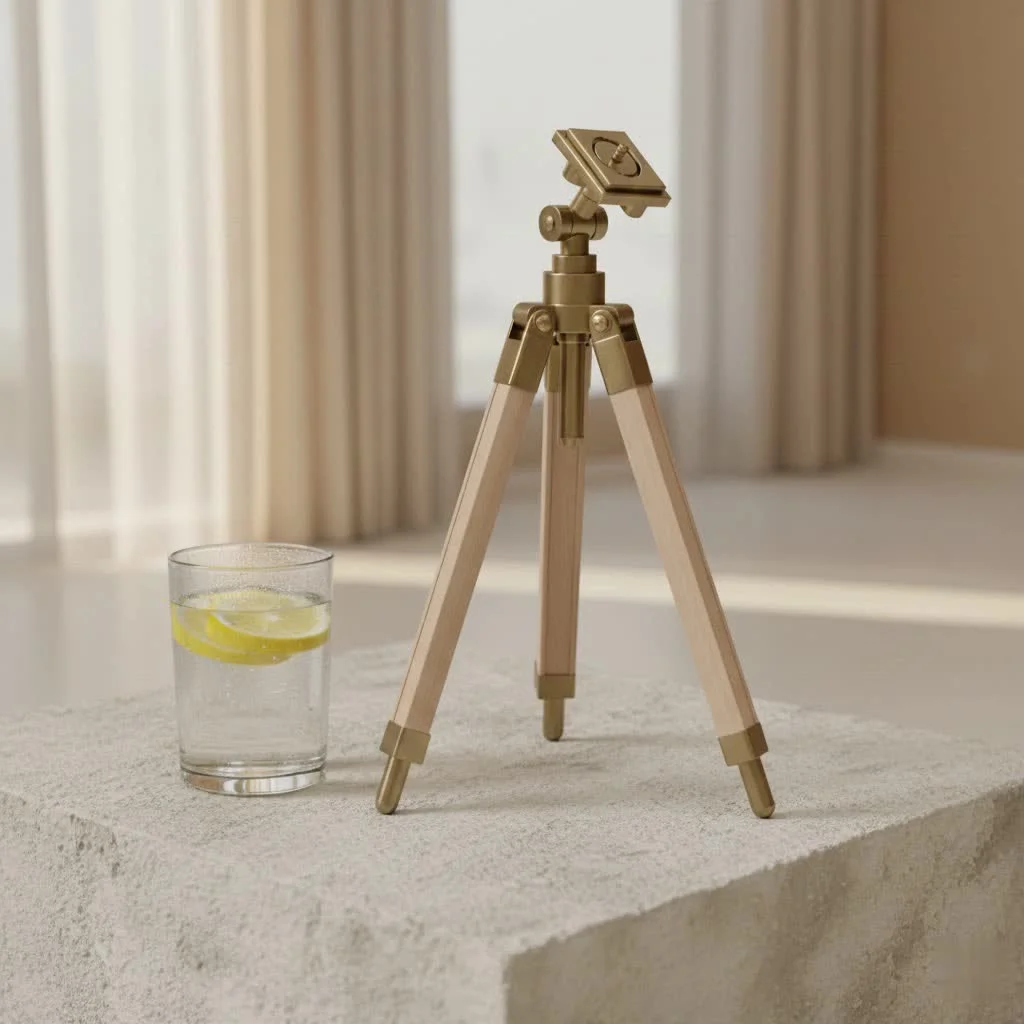
At first glance, a wooden tripod might seem like a relic from a bygone era, perhaps more at home in a vintage camera display than on a modern shoot. However, this perception couldn’t be further from the truth for discerning photographers. While metal and carbon fiber have their undeniable merits, wooden tripods offer a unique blend of benefits that continue to make them a preferred choice for specific, critical applications. They embody a classic elegance, yes, but their true power lies in their inherent material properties that directly translate into superior photographic results. For browse all tripod stands articles on this site.
Unmatched Stability and Vibration Dampening: The Core Advantages
The primary reason professional photographers and videographers gravitate towards wooden tripods is their extraordinary ability to dampen vibrations. This isn’t just a minor advantage; it’s a game-changer for image sharpness and clarity, especially when dealing with challenging shooting conditions or specialized techniques.
What makes wood so effective at absorbing vibrations?
Unlike rigid metals or even carbon fiber composites, wood possesses a natural cellular structure that excels at absorbing and dissipating kinetic energy. Think of it like a natural shock absorber. When vibrations occur—whether from wind, nearby traffic, or even the subtle movements within your camera’s shutter mechanism—a wooden tripod’s organic fibers effectively “deadens” these minute movements, preventing them from reaching your camera. This inherent material property often makes wood superior to carbon fiber or other modern materials in real-world vibration control. The result? Sharper long exposures, clearer telephoto shots, and incredibly detailed macro photography, where even the slightest tremor can ruin an image.
How do wooden tripods enhance image sharpness?
By significantly reducing micro-vibrations, wooden tripods provide an exceptionally steady platform for your camera. This stability is paramount for achieving critical sharpness, particularly in scenarios that demand extended shutter speeds or high-resolution sensors. In low-light photography, where you might use a slower shutter speed to gather more light, a wooden tripod ensures that blur from camera shake is virtually eliminated. For professional studio work, product photography, or detailed landscape shots, this unwavering steadiness translates directly into images with remarkable clarity and fidelity, allowing every detail to shine through without unwanted fuzziness.
Crafting Excellence: Types of Wood and Their Properties
Not all wood is created equal when it comes to tripod construction. The choice of timber plays a crucial role in a tripod’s performance, durability, and overall feel.
Which wood types are best for camera tripods?
|
Our Picks for the Best Tripod Stand in 2026
As an Amazon Associate I earn from qualifying purchases.
|
||
| Num | Product | Action |
|---|---|---|
| 1 | SENSYNE 62\" Phone Tripod & Selfie Stick, Extendable Cell Phone Tripod Stand with Wireless Remote and Phone Holder, Compatible with iPhone Android Phone, Camera |

|
| 2 | Amazon Basics 50-inch Lightweight Portable Camera Tripod Stand with Quick-Release Plate, Adjustable Height, Aluminum, for Travel Photography, Champagne |
|
| 3 | Laptop Tripod Stand – Adjustable Laptop Holder with Phone Mount - Heavy- Duty Alloy Tripod Stand with Tray - Height Adjustable 0.65–1.6m - Portable, Foldable, 15kg Load Capacity - Black |
|
| 4 | EUCOS 62\" Phone Tripod, Tripod for iPhone & Selfie Stick with Remote, Extendable Cell Phone Stand & Ultimate Phone Holder, Solidest Phone Stand Compatible with iPhone/Android |
|
| 5 | TONEOF 68\" Magnetic Selfie Stick Tripod with Aluminum Strong Magnetic Holder for Magsafe, 360° Rotatable Travel Phone Tripod Stand with Metal Ring & Rechargeable Remote for iPhone/Android(Beige Gray) |
|
| 6 | 71” Phone Tripod & Selfie Stick, Portable All in One Extendable Cell Phone Tripod Stand, with Wireless Remote Control for iPhone/Samsung/Android/Camera |
|
| 7 | CAMBOFOTO 74\"-Camera-Tripod, Professional Aluminum Tripod/Leg Stand Mirrorless Camera/DSLR/Cell Phone/Camcorder/GoPro, with Phone Holder and Travel Bag (Gunmetal Gray) Weight 2.8 lbs Load 8.8 lbs |
|
| 8 | 64” Tripod for Cell Phone & Camera, Phone Tripod with Remote and Phone Holder, Sturdy & Stable Height Adjustable Multi-Angle Shot Selfie Stick Tripod for Video Recording |
|
| 9 | Projector Stand Tripod Adjustable, Laptop Height from 23.5 to 46.5 inches with Gooseneck Phone Holder, Floor for Office, Home, Stage, Studio, DJ Racks Holder Mount, 23.5inch-46.5inch |
|
| 10 | IFOOTAGE RB-A400 Round Base Light Stand Monopod, 79\" Tripod Monopod for Cameras, Lights, Webcam, Live Streaming, Vlogging, Payload 22LBS |
|
When selecting wood for a tripod, manufacturers look for specific characteristics: strength, stiffness, and excellent vibration-damping qualities. Historically and currently, Ash (particularly European or Eastern Ash) is widely considered among the best. Its tight grain, robust nature, and remarkable ability to absorb vibrations make it a top contender, often utilized by esteemed brands. Maple (Rock Maple) is another excellent choice, offering similar benefits, though some experts argue ash provides a slight edge in vibration damping. Other strong, tight-grained woods like Hickory and Cherry are also valued for their stability and resilience. The key is finding wood that is both strong enough to support heavy gear and dense enough to effectively dampen unwanted movements.
Why are some wooden tripods more expensive?
The cost of a high-quality wooden tripod often reflects the meticulous process involved in its creation. Firstly, sourcing the right type of wood—like specific grades of ash—is a specialized task. This timber then needs to be carefully dried and aged for years, a process that cannot be rushed, to ensure its stability and optimal performance. The manufacturing itself requires skilled craftsmanship to precisely machine and finish the wood, integrating high-quality metal components for durability and smooth operation. Because not all wood is suitable and the production process is so intensive, these tripods are often produced by smaller, traditional manufactories rather than large-scale camera equipment companies, making them a premium, often more expensive, investment.
“In my ten years of hands-on experience, nothing quite matches the organic vibration dampening and sheer steadfastness of a well-crafted wooden tripod. It truly allows for a level of image purity that modern materials often strive for but rarely achieve.” – Alex Chen, Lead Content Creator at SxJks.com
Practical Considerations for the Modern Photographer
While the benefits are clear, it’s also important to consider the practical aspects of integrating a wooden tripod into your workflow.
Are wooden tripods suitable for travel photography?
Generally, wooden tripods tend to be heavier and bulkier than their carbon fiber or aluminum counterparts. This increased weight contributes to their exceptional stability, but it can be a significant drawback for photographers who frequently travel or need to move quickly between locations. While some smaller, more compact wooden tripods exist, the majority are better suited for studio photography, landscape work where stability trumps portability, astrophotography, or any stationary setup where absolute steadiness is non-negotiable. If your photography often takes you on long hikes or through bustling city streets, you might find a lightweight alternative more practical for those specific trips.
How should I maintain my wooden tripod stand?
Proper maintenance is key to ensuring the longevity and continued performance of your wooden tripod. Unlike metal tripods that can sometimes shrug off neglect, wood benefits from a bit of care. Regularly clean the wooden legs with a soft, dry cloth to remove dust and dirt. Protect it from prolonged exposure to extreme moisture or harsh sunlight, which can cause the wood to warp or crack over time. If your tripod gets wet, dry it thoroughly before storing. Occasionally, you might consider applying a natural wood oil or wax to nourish the wood and enhance its protective finish. With proper care, a high-quality wooden tripod can last a lifetime, becoming a cherished tool in your photographic arsenal.
Making the Right Choice: Is a Wooden Tripod for You?
Deciding whether a wooden tripod stand is the right choice for your photography ultimately comes down to your specific needs, priorities, and shooting style.
If your work demands the absolute utmost in vibration dampening and stability—if you regularly shoot long exposures, meticulous studio work, astrophotography, or use heavy camera systems and long telephoto lenses—then a wooden tripod is not just a viable option, it might be the superior one. While carbon fiber offers impressive lightness and rigidity, wood often provides a more profound dampening effect, particularly against subtle, persistent vibrations. Aluminum tripods are generally more affordable but are more prone to transmitting vibrations.
Consider your primary photographic pursuits: if you prioritize uncompromising image quality and rock-solid stability over extreme portability, then investing in a robust wooden tripod stand will undoubtedly elevate your craft. It’s a tool that forces you to slow down, to be more deliberate with your composition, and in doing so, often leads to more thoughtful and impactful images.
Frequently Asked Questions About Wooden Tripod Stands
Are wooden tripods more stable than carbon fiber?
For vibration damping, many experts argue that high-quality wooden tripods, particularly those made from ash, offer superior performance compared to carbon fiber. While carbon fiber is lighter and very rigid, wood’s natural cellular structure is exceptionally effective at absorbing and dissipating subtle vibrations.
What are the main disadvantages of a wooden tripod?
The primary disadvantages include their heavier weight and bulk, making them less portable for travel or quick-moving shoots. They can also be more expensive than many aluminum or even some carbon fiber options, and require some basic maintenance to protect the wood from the elements.
Can I use a wooden tripod in all weather conditions?
While generally durable, wooden tripods require more care in extreme weather. They should be protected from prolonged heavy rain or direct moisture exposure to prevent warping or damage. Proper drying after getting wet and occasional conditioning are recommended for longevity.
How do I know if a wooden tripod is good quality?
Look for tripods made from dense, strong, and tight-grained woods like ash or maple. High-quality models will feature robust metal fittings, precise machining, and a stable, smooth operating mechanism. Brands known for traditional craftsmanship often indicate superior quality.
What camera gear is best suited for a wooden tripod?
Wooden tripods are ideal for heavier camera setups, large format cameras, long telephoto lenses, and sensitive equipment where maximum stability and vibration dampening are crucial. This includes studio cameras, astronomical telescopes, and macro photography rigs.
Choosing a wooden tripod stand means opting for a time-honored solution that prioritizes steadfast performance above all else. Its unique ability to neutralize vibrations provides an unparalleled foundation for achieving tack-sharp, breathtaking imagery. While it might ask a little more of you in terms of portability and care, the rewards in image quality and the satisfying, tactile experience of working with a classic tool are immense. Explore the enduring strength and beauty of a wooden tripod, and you might just discover your new favorite piece of photographic equipment.
Get our weekly buyer guide
Practical specs, not advice. Unsubscribe anytime.