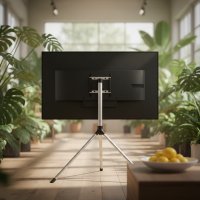
In the world of serious photography and videography, a professional tripod stand for camera is far more than a mere accessory; it’s the bedrock of stable, sharp, and creatively composed imagery. As content creator for SxJks.com with over a decade in the field, I’ve seen firsthand how the right tripod elevates your craft from good to exceptional. This isn’t just about steadying your camera; it’s about unlocking new creative possibilities, ensuring precision, and safeguarding your valuable gear. Let’s delve into what truly defines a professional tripod and how to choose the perfect one for your artistic journey.
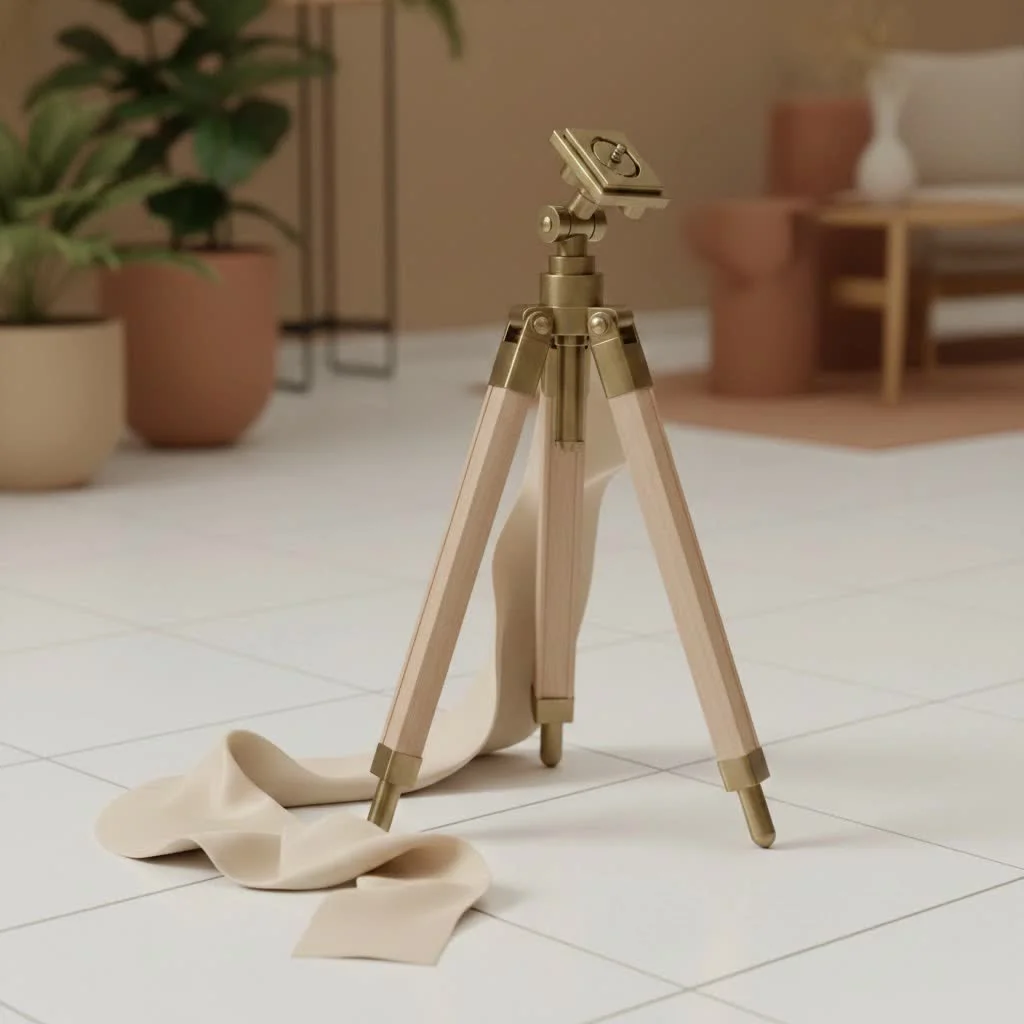
What Makes a Tripod “Professional”? Understanding the Core Differences
When we talk about a professional tripod, we’re stepping beyond the lightweight, often flimsy models designed for casual use. A truly professional tripod is a meticulously engineered tool, built with superior craftsmanship and designed for high performance under demanding conditions. It offers enhanced rigidity, smoother adjustments, and robust compatibility with a range of specialized heads and accessories. These tripods are designed to support everything from compact mirrorless cameras to heavy DSLRs and cinema cameras equipped with long, powerful telephoto lenses.
“A professional tripod is an investment in your vision,” says Dr. Evelyn Reed, a renowned photography gear specialist. “It’s the silent partner that guarantees unwavering stability, allowing your creative decisions to shine without compromise.”
Unlike entry-level options, professional tripods are constructed for rugged use, with high-quality control and precise specifications that ensure durability and reliability when it matters most. They are critical for achieving maximum sharpness, especially during long exposures or when using extreme focal length lenses, where even the slightest camera movement can result in a blurred image.
Key Features of a Professional Tripod Stand
Selecting a professional tripod means evaluating several critical features that contribute to its performance and suitability for your specific needs.
Unrivaled Stability: The Foundation of Sharp Imagery
The cornerstone of any professional tripod is its stability. It must provide a rock-solid platform, completely free from movement or shake, to ensure your photos and videos are consistently sharp and clear. This is achieved through robust construction and intelligent design.
- Materials: Carbon Fiber vs. Aluminum
- Carbon Fiber: Often the top choice for professionals, carbon fiber offers an exceptional balance of strength and lightness. It’s incredibly rigid, significantly reducing vibrations, and its reduced weight makes it ideal for outdoor photographers, travel enthusiasts, and anyone who needs to carry their gear over long distances. While it comes with a higher price tag, the benefits in portability and performance are often worth the investment.
- Aluminum: A durable and robust material, aluminum tripods provide excellent performance at a more accessible price point. They are strong and reliable, making them a great choice for studio work or situations where portability isn’t the absolute highest priority. However, they tend to be heavier than their carbon fiber counterparts. Steel is also used for extremely heavy-duty studio tripods.
- Leg Sections and Locking Mechanisms
Professional tripods feature multiple leg sections, allowing for precise height adjustments. The locking mechanisms are crucial for securing these sections. Common types include:- Twist Locks: Often preferred for their speed and ability to unlock multiple sections with a single twist.
- Flip Locks: Provide a tactile, visual confirmation that the leg is locked and are generally quick to operate.
- Center Column Design
A robust center column contributes to overall height and stability. Many professional models offer advanced functionality:- Reversible/Pivoting Center Columns: A game-changer for macro photography or low-angle shots, allowing the camera to be positioned between the legs or even horizontally, like a boom arm. This is also fantastic for overhead food photography!
Load Capacity: Supporting Your Precious Gear
|
Our Picks for the Best Tripod Stand in 2026
As an Amazon Associate I earn from qualifying purchases.
|
||
| Num | Product | Action |
|---|---|---|
| 1 | Projector Stand Tripod Adjustable, Laptop Height from 23.5 to 46.5 inches with Gooseneck Phone Holder, Floor for Office, Home, Stage, Studio, DJ Racks Holder Mount, 23.5inch-46.5inch |

|
| 2 | Laptop Tripod Stand – Adjustable Laptop Holder with Phone Mount - Heavy- Duty Alloy Tripod Stand with Tray - Height Adjustable 0.65–1.6m - Portable, Foldable, 15kg Load Capacity - Black |
|
| 3 | CAMBOFOTO 74\"-Camera-Tripod, Professional Aluminum Tripod/Leg Stand Mirrorless Camera/DSLR/Cell Phone/Camcorder/GoPro, with Phone Holder and Travel Bag (Gunmetal Gray) Weight 2.8 lbs Load 8.8 lbs |
|
| 4 | SENSYNE 62\" Phone Tripod & Selfie Stick, Extendable Cell Phone Tripod Stand with Wireless Remote and Phone Holder, Compatible with iPhone Android Phone, Camera |
|
| 5 | EUCOS 62\" Phone Tripod, Tripod for iPhone & Selfie Stick with Remote, Extendable Cell Phone Stand & Ultimate Phone Holder, Solidest Phone Stand Compatible with iPhone/Android |
|
| 6 | TONEOF 68\" Magnetic Selfie Stick Tripod with Aluminum Strong Magnetic Holder for Magsafe, 360° Rotatable Travel Phone Tripod Stand with Metal Ring & Rechargeable Remote for iPhone/Android(Beige Gray) |
|
| 7 | Amazon Basics 50-inch Lightweight Portable Camera Tripod Stand with Quick-Release Plate, Adjustable Height, Aluminum, for Travel Photography, Champagne |
|
| 8 | IFOOTAGE RB-A400 Round Base Light Stand Monopod, 79\" Tripod Monopod for Cameras, Lights, Webcam, Live Streaming, Vlogging, Payload 22LBS |
|
| 9 | 71” Phone Tripod & Selfie Stick, Portable All in One Extendable Cell Phone Tripod Stand, with Wireless Remote Control for iPhone/Samsung/Android/Camera |
|
| 10 | 64” Tripod for Cell Phone & Camera, Phone Tripod with Remote and Phone Holder, Sturdy & Stable Height Adjustable Multi-Angle Shot Selfie Stick Tripod for Video Recording |
|
One of the most critical specifications for a professional tripod is its maximum load capacity. This rating indicates the maximum weight the tripod can safely and stably support, including your camera body, lens, and any accessories like flashes, microphones, or teleprompters. It’s crucial to ensure your chosen tripod’s load capacity significantly exceeds the combined weight of your heaviest setup. Overloading a tripod is a recipe for instability, blurry shots, and potentially damaged equipment. Some heavy-duty models can support staggering weights, with capacities reaching up to 60kg (132 pounds) for very specialized setups.
Tripod Head: Your Camera’s Command Center
While some professional tripods come as a kit, many are sold as legs only, allowing you to choose a head tailored to your specific photographic or videographic discipline.
- Ball Heads: These are incredibly versatile and popular among photographers due to their quick, fluid adjustment capabilities. A single knob often locks the camera into virtually any position, making them excellent for dynamic still photography.
- Fluid Heads: Indispensable for videographers and filmmakers, fluid heads are engineered to provide exceptionally smooth, controlled panning and tilting movements. This is vital for capturing cinematic footage without jarring stops or starts. Manfrotto’s Nitrotech series, for example, is known for its continuous counterbalance and variable fluid drag system, ensuring buttery-smooth operation.
- 3-Way/Pan-Tilt Heads: Offering independent control over each axis (horizontal pan, vertical tilt, and lateral tilt), these heads are favored for architectural, studio, or landscape photography where precise, deliberate adjustments are needed.
- Quick Release Systems: These systems allow for rapid attachment and detachment of your camera from the tripod. Arca-style plates are a highly preferred professional standard due to their large surface area, added safety pins, and rubberized pads that securely grip your camera and prevent accidental movement.
Adjustability and Versatility: Adapting to Any Shot
Professional tripods are designed for maximum adaptability. They offer:
- Extensive Height Range: From very low positions for macro work to impressive heights for wide-angle perspectives.
- Multi-Angle Leg Spreads: Legs can often be splayed out at various angles, allowing for greater stability on uneven terrain or extremely low-angle shooting.
- Integrated Features: Many models include built-in bubble levels for precise leveling and Easy Link connectors or hooks on the center column for attaching accessories or adding counterweights for enhanced stability.
Tailoring Your Choice: Professional Tripod Stands for Specific Needs
The “best” professional tripod depends entirely on your primary creative pursuits.
For the Landscape and Astrophotographer
You need unwavering stability against wind and uneven terrain, plus the ability to shoot long exposures without blur.
- Focus: Stability, rigidity, weather resistance.
- Material: Carbon fiber is often preferred for its vibration dampening and lighter weight for hiking.
- Head: A robust ball head or a 3-way head for precise framing.
For the Studio and Portrait Professional
Consistency, precise adjustments, and the ability to support heavier lighting or teleprompter setups are key.
- Focus: Extreme stability, high load capacity, fine-tuned adjustments.
- Material: Aluminum or even steel for maximum weight and rigidity.
- Head: Geared heads for micro-adjustments or heavy-duty ball/3-way heads. Some studio tripods feature robust construction with wide leg spreads for superior stability indoors.
For the Videographer and Filmmaker
Smooth camera movements are non-negotiable for cinematic results.
- Focus: Fluid motion, high load capacity for cinema cameras and accessories.
- Material: Carbon fiber or robust aluminum for durability.
- Head: A dedicated fluid video head is absolutely essential for seamless pans and tilts.
For the Travel and Adventure Photographer
Portability and durability are as important as stability, as you’ll be carrying your gear far and wide.
- Focus: Compact folded size, lightweight, quick setup, robust build.
- Material: Carbon fiber is the go-to for its lightweight properties.
- Head: A compact yet sturdy ball head that can be quickly adjusted.
Maintenance and Care for Your Professional Tripod
Just like your camera and lenses, your professional tripod stand deserves proper care to ensure its longevity and performance.
- Regular Cleaning: After outdoor shoots, especially in sandy, dusty, or wet environments, clean the leg sections and locking mechanisms to prevent grit from causing wear or stiffness. A damp cloth is usually sufficient for the legs, while a small brush can remove debris from locks.
- Check Joints and Screws: Periodically inspect all joints, screws, and quick-release plates for any looseness. Tighten as necessary, but avoid over-tightening.
- Lubrication (Heads): Some tripod heads, especially fluid video heads, may require occasional lubrication according to the manufacturer’s instructions to maintain smooth operation.
- Proper Storage: Store your tripod in a dry, clean environment, ideally in a padded tripod bag to protect it from impacts and dust. Avoid leaving it in extreme temperatures for extended periods.
Conclusion
Investing in a professional tripod stand for camera is a pivotal step for any serious visual storyteller. It’s an investment in the sharpness, stability, and creative freedom of your work. By understanding the critical features – from load capacity and material to head type and adjustability – you can select a tripod that perfectly aligns with your specific photographic and videographic demands. Don’t settle for less; empower your creativity with a tripod that truly stands up to the challenge. Visit SxJks.com for more in-depth reviews and expert guides to elevate your craft!
Frequently Asked Questions (FAQ)
Q: What is the main difference between a professional tripod and a standard one?
A: Professional tripods offer superior stability, higher load capacity, more durable materials like carbon fiber or robust aluminum, and precise, smoother adjustments, often with interchangeable heads tailored for specific uses like photography or videography.
Q: Is a carbon fiber professional tripod worth the extra cost?
A: For many professionals, especially those who travel or shoot outdoors frequently, a carbon fiber professional tripod is well worth the investment due to its significantly lighter weight and superior vibration dampening properties, which enhance portability and stability.
Q: How do I determine the right load capacity for my professional tripod stand?
A: To determine the right load capacity, calculate the combined weight of your heaviest camera body, your heaviest lens, and any accessories (like a flash, microphone, or external monitor) you might mount on the tripod. Choose a tripod with a load capacity that comfortably exceeds this total weight to ensure optimal stability and safety.
Q: Can I use a video fluid head on a photography tripod?
A: Yes, you can often interchange tripod heads, provided the mounting plate (typically a 3/8″ screw) is compatible. A fluid head can be used on a photography tripod, but be aware that fluid heads are optimized for smooth video movements and may not offer the same quick, multi-directional adjustment flexibility as a ball head for still photography.
Q: Why do professional tripods often not come with an integrated head?
A: Many professional tripods are sold without an integrated head to allow photographers and videographers to customize their setup. This modular approach enables professionals to choose a specific head type (e.g., ball head, fluid head, geared head) that best suits their specialized needs and equipment.
Q: How important is a quick-release system on a professional tripod?
A: A quick-release system is highly important for professionals as it significantly speeds up the process of mounting and unmounting your camera, saving valuable time during shoots. Systems like Arca-Swiss style plates are particularly favored for their robust security and ease of use.
Q: What type of feet should a professional tripod have for varied terrain?
A: Professional tripods often come with rubberized feet for good grip on hard, smooth surfaces. Many also offer retractable spikes or interchangeable feet options (e.g., snow shoes, large rubber pads) to provide enhanced stability and grip on soft ground, sand, ice, or uneven outdoor terrains.
Get our weekly buyer guide
Practical specs, not advice. Unsubscribe anytime.