For any serious photographer, a reliable Dslr Camera Tripod Stand isn’t just an accessory; it’s a foundational tool that elevates your craft. It’s the silent partner that brings sharpness, stability, and creative freedom to your images, transforming shaky shots into masterpieces of precision. Whether you’re battling low light, composing breathtaking landscapes, or capturing intricate macro details, understanding and choosing the right tripod for your DSLR is paramount. This guide, drawing on over a decade of hands-on experience, aims to demystify the world of tripod stands, empowering you to make informed decisions and unleash your camera’s full potential.
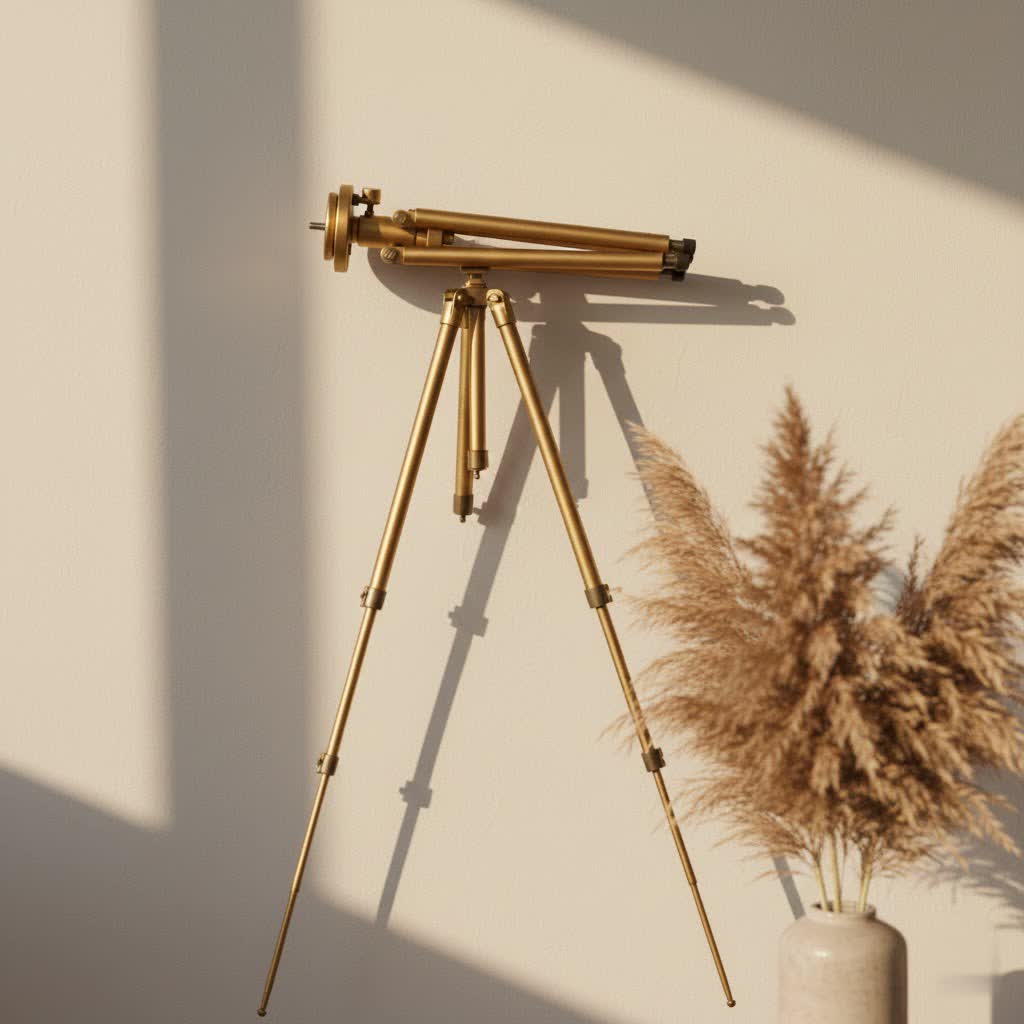
Why a DSLR Camera Tripod Stand is Your Best Friend
Have you ever looked at a blurry photo and wondered what went wrong? Often, the culprit is camera shake, especially in challenging conditions. A DSLR camera tripod stand eliminates this movement, ensuring razor-sharp images even at slow shutter speeds or with long telephoto lenses. But its benefits extend far beyond just stability.
The Unseen Advantages of Tripod Use
Beyond mere stability, a tripod forces you to slow down, consider your composition, and think more intentionally about your shot. This deliberate process often leads to more thoughtful and impactful photographs. It’s indispensable for various genres:
- Landscape Photography: Capturing sweeping vistas with maximum detail and perfect horizons.
- Night and Astrophotography: Essential for long exposures that reveal the Milky Way or light trails.
- Macro Photography: Achieving critical focus and precise framing for tiny subjects.
- Portraiture: Maintaining consistent camera position for multiple shots or self-portraits.
- Video Recording: Ensuring smooth, professional-looking footage free from jitters.
- Time-Lapse Photography: Keeping the camera absolutely still over extended periods.
|
Our Picks for the Best Tripod Stand in 2026
As an Amazon Associate I earn from qualifying purchases.
|
||
| Num | Product | Action |
|---|---|---|
| 1 | CAMBOFOTO 74\"-Camera-Tripod, Professional Aluminum Tripod/Leg Stand Mirrorless Camera/DSLR/Cell Phone/Camcorder/GoPro, with Phone Holder and Travel Bag (Gunmetal Gray) Weight 2.8 lbs Load 8.8 lbs |

|
| 2 | IFOOTAGE RB-A400 Round Base Light Stand Monopod, 79\" Tripod Monopod for Cameras, Lights, Webcam, Live Streaming, Vlogging, Payload 22LBS |
|
| 3 | Projector Stand Tripod Adjustable, Laptop Height from 23.5 to 46.5 inches with Gooseneck Phone Holder, Floor for Office, Home, Stage, Studio, DJ Racks Holder Mount, 23.5inch-46.5inch |
|
| 4 | 71” Phone Tripod & Selfie Stick, Portable All in One Extendable Cell Phone Tripod Stand, with Wireless Remote Control for iPhone/Samsung/Android/Camera |
|
| 5 | Laptop Tripod Stand – Adjustable Laptop Holder with Phone Mount - Heavy- Duty Alloy Tripod Stand with Tray - Height Adjustable 0.65–1.6m - Portable, Foldable, 15kg Load Capacity - Black |
|
| 6 | Amazon Basics 50-inch Lightweight Portable Camera Tripod Stand with Quick-Release Plate, Adjustable Height, Aluminum, for Travel Photography, Champagne |
|
| 7 | TONEOF 68\" Magnetic Selfie Stick Tripod with Aluminum Strong Magnetic Holder for Magsafe, 360° Rotatable Travel Phone Tripod Stand with Metal Ring & Rechargeable Remote for iPhone/Android(Beige Gray) |
|
| 8 | 64” Tripod for Cell Phone & Camera, Phone Tripod with Remote and Phone Holder, Sturdy & Stable Height Adjustable Multi-Angle Shot Selfie Stick Tripod for Video Recording |
|
| 9 | EUCOS 62\" Phone Tripod, Tripod for iPhone & Selfie Stick with Remote, Extendable Cell Phone Stand & Ultimate Phone Holder, Solidest Phone Stand Compatible with iPhone/Android |
|
| 10 | SENSYNE 62\" Phone Tripod & Selfie Stick, Extendable Cell Phone Tripod Stand with Wireless Remote and Phone Holder, Compatible with iPhone Android Phone, Camera |
|
“A tripod isn’t just about preventing blur; it’s about giving you control. It allows you to experiment with light and time in ways handheld shooting simply can’t,” notes Eleanor Vance, a seasoned wildlife photographer and gear reviewer.
Choosing the Perfect DSLR Camera Tripod Stand: What to Look For
Selecting a DSLR camera tripod stand can feel overwhelming with the myriad options available. However, by focusing on a few key characteristics, you can narrow down your choices to find one that perfectly suits your needs and shooting style.
What are the essential factors when buying a DSLR tripod?
When investing in a tripod, consider material, weight capacity, maximum height, folded length, leg locks, and the type of tripod head. These elements dictate its portability, stability, and versatility.
1. Material Matters: Aluminum vs. Carbon Fiber
- Aluminum: Generally more affordable and robust, but also heavier. It’s a great choice for those on a budget or who don’t mind a bit of extra weight.
- Carbon Fiber: Lighter, stronger, and better at dampening vibrations, making it ideal for travel and professional use. The trade-off is a higher price point.
2. Weight Capacity: Can It Handle Your Gear?
This is crucial. Your tripod’s weight capacity should comfortably exceed the combined weight of your heaviest camera body, lens, and any accessories you plan to use. Undermatching this can lead to instability and even damage to your valuable gear. Always factor in a safety margin. A good rule of thumb is to choose a tripod with a capacity at least 2-3 times the weight of your heaviest setup.
3. Maximum Height: Reach for the Sky (or Eye Level)
Consider your height and how you prefer to shoot. A tripod that reaches eye level without extending the center column is generally more stable. However, if you often shoot from low angles, ensure the tripod can splay its legs wide enough to get close to the ground.
4. Folded Length and Portability: Travel Companion or Studio Fixture?
If you plan to hike with your tripod, its folded length and overall weight are critical. Compact, lightweight tripods are fantastic for travel, but often compromise a bit on maximum height or stability. A large, sturdy studio tripod might offer ultimate stability but is hardly practical for a mountain trek.
5. Leg Locks: Twist, Flip, or Lever?
- Flip Locks: Quick to operate, often found on entry-level models. Can sometimes loosen over time.
- Twist Locks: Provide a strong, secure hold and are generally more compact when folded. Can be slower to adjust initially.
6. The Tripod Head: Your Camera’s Control Center
The head is where your camera mounts and allows for precise positioning.
- Ball Head: Popular for its speed and flexibility, allowing quick adjustments in any direction.
- Pan-Tilt Head: Offers precise control over tilt and pan axes, ideal for landscapes, video, and architecture where exact leveling is critical.
- Gimbal Head: Specialized for heavy telephoto lenses, providing smooth, balanced movement for tracking fast-moving subjects like birds or sports.
What are the best features for a portable DSLR tripod?
For portability, look for a lightweight material like carbon fiber, a compact folded length, reversible legs, and a sturdy carrying case. Quick-release plates are also a huge time-saver when you’re on the go.
Mastering Your DSLR Camera Tripod Stand: Essential Techniques
Having the right DSLR camera tripod stand is only half the battle; knowing how to use it effectively is the other. Proper technique ensures maximum stability and extends the life of your equipment.
How do I ensure maximum stability with my tripod?
To maximize stability, always extend the thickest leg sections first, spread the legs wide, avoid overextending the center column, and use a weight hook if available. In windy conditions, face one leg into the wind.
1. Extending the Legs: Thick First
Always extend the thickest sections of your tripod legs first. These are the most rigid and will provide the best stability. Only extend thinner sections if absolutely necessary to reach your desired height.
2. Spreading the Legs Wide
Ensure your tripod legs are spread as wide as possible, forming a stable triangle. If your tripod has multiple leg angle stops, use the widest setting for maximum stability, especially on uneven terrain or with heavy gear.
3. Avoiding the Center Column
The center column is the least stable part of a tripod. While convenient for quick height adjustments, extending it significantly reduces stability and introduces potential vibration. Use it sparingly and only after extending the legs fully.
4. Using the Weight Hook
Many tripods feature a hook beneath the center column. Attaching a weight – like your camera bag, a sandbag, or even a water bottle – can significantly increase stability, especially in windy conditions. Just be mindful not to overload it or create a swing hazard.
5. Leveling Your Tripod
Most tripod heads have a bubble level. Use it! Ensuring your tripod is level prevents crooked horizons and makes pan-and-tilt adjustments much smoother.
6. Quick Release Plates: A Time Saver
Always use a quick-release plate. Securely attach it to your camera’s base and ensure it’s firmly seated in the tripod head before letting go of your camera. This speeds up setup and breakdown while preventing accidental drops.
Caring for Your DSLR Camera Tripod Stand
A well-maintained DSLR camera tripod stand will serve you faithfully for years. Neglect, however, can lead to stiff joints, rust, and reduced performance.
What are the best practices for tripod maintenance?
Regularly clean your tripod, especially after use in dusty, sandy, or wet conditions. Lubricate leg locks and moving parts, and periodically check all screws and bolts for tightness.
1. Cleaning After Every Adventure
If you’ve shot on the beach, in the mud, or in dusty environments, thoroughly clean your tripod immediately. Sand and grit can wreak havoc on leg locks and moving parts. Use a damp cloth to wipe down legs and a soft brush for crevices.
2. Lubrication is Key
Periodically apply a small amount of silicone-based lubricant to leg locks and joints (consult your tripod’s manual for specific recommendations). This keeps them operating smoothly and prevents corrosion.
3. Check and Tighten
Over time, screws and bolts can loosen. Regularly check all fasteners on your tripod and head, tightening them gently if needed. Don’t overtighten, as this can strip threads.
4. Proper Storage
Store your tripod in a clean, dry place, ideally in its padded carrying bag. Avoid extreme temperatures and humidity, which can accelerate wear and tear.
Frequently Asked Questions about DSLR Camera Tripod Stands
Is a carbon fiber tripod worth the extra cost for a DSLR?
For many, yes. Carbon fiber tripods offer significant weight savings and better vibration dampening compared to aluminum, making them ideal for travel, hiking, and situations where reducing shake is critical. The added cost is an investment in portability and image quality.
How heavy should my tripod be for a DSLR camera?
Your tripod’s weight is less critical than its weight capacity. A general rule is that the tripod should be able to support at least 2-3 times the weight of your heaviest camera and lens combination to ensure stability. Lighter doesn’t always mean less stable if designed well.
Can I use any tripod head with any DSLR camera tripod stand?
Most professional tripods and heads use standard threading (usually 3/8-inch or 1/4-inch), allowing for interchangeability. However, always check compatibility between the head and the tripod legs, as some brands or models might have proprietary systems.
What’s the difference between a tripod and a monopod for a DSLR?
A tripod has three legs and offers maximum stability for stationary shots, long exposures, and video. A monopod has a single leg, providing quick support and maneuverability, ideal for situations requiring portability and faster shooting, but less stability than a tripod.
How do I prevent my DSLR camera from falling off the tripod?
Always ensure your quick-release plate is securely attached to your camera and fully engaged in the tripod head. Double-check that all locks on the head are tightened before you release your grip on the camera. Regularly inspect your quick-release plate for wear and tear.
When should I extend the center column of my tripod?
Only extend the center column as a last resort to gain a few extra inches of height, as it significantly reduces stability. It’s always preferable to extend the leg sections first.
Conclusion
A high-quality DSLR camera tripod stand is more than just a piece of equipment; it’s an investment in your photographic journey, offering the stability, precision, and creative freedom to capture images you’ve always dreamed of. From understanding the nuances of materials and weight capacities to mastering proper setup techniques and diligent maintenance, the insights shared here are designed to empower you. Embrace the tripod, slow down, and watch as your photography reaches new, sharper heights. Now, go out there, set up your stand, and create something truly spectacular!
