Welcome, fellow stargazers and astrophotography enthusiasts! If you’re passionate about exploring the cosmos, you already know that a telescope is your window to the universe. But what you might not realize is that the “window frame” – your Telescope Tripod Stand – is just as crucial as the optics themselves. Here at SxJks.com, with over a decade in the field, we understand the profound impact a stable foundation has on your viewing and imaging experience. A wobbly stand can turn a breathtaking celestial object into a frustrating blur, diminishing your enjoyment and the quality of your captures. So, let’s dive deep into how to choose, use, and maintain the perfect telescope tripod stand to unlock the true potential of your astronomical adventures.
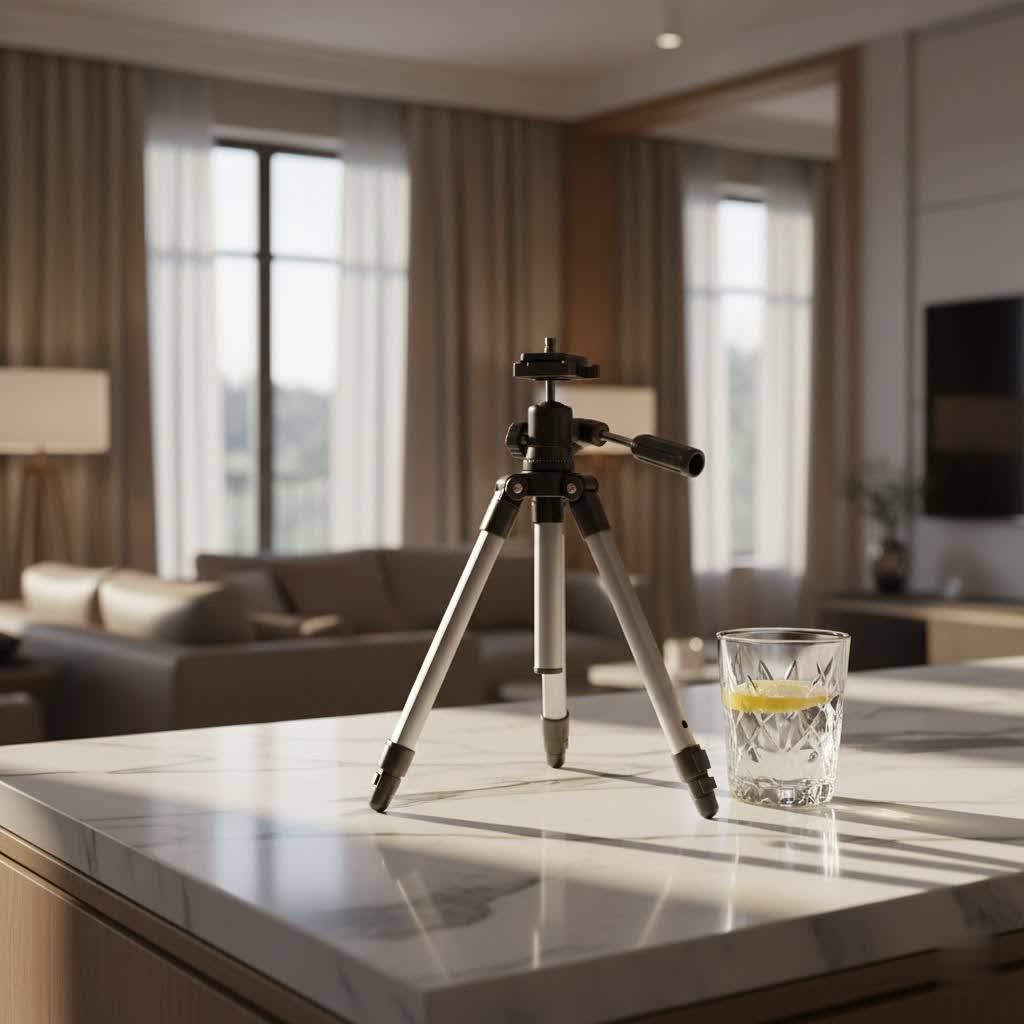
Why Your Telescope Tripod Stand is Non-Negotiable for Clear Views
Imagine trying to paint a masterpiece on a shaking easel. Impossible, right? The same principle applies to astronomy. Your telescope tripod stand isn’t just a holder; it’s the bedrock of your entire observation system. Without a rock-solid base, even the most advanced telescope will struggle to deliver crisp, clear images, especially at higher magnifications or during long-exposure astrophotography.
The primary role of a superior telescope tripod stand is vibration reduction. Every slight touch, every gust of wind, even the slightest movement on the ground, can translate into magnified jitters through your telescope. A sturdy tripod dampens these vibrations, ensuring that what you see in the eyepiece, or capture on your camera sensor, remains steady and sharp. It’s the difference between seeing Saturn’s rings as a defined spectacle and a shimmering, indistinct smudge.
As Dr. Lena Petrov, our Astrophotography Specialist at SxJks.com, aptly puts it, “A telescope is only as good as the foundation it rests upon. Investing in a robust tripod stand isn’t just about supporting your gear; it’s about unlocking the full potential of your viewing experience and truly capturing the cosmos without a tremor.”
Decoding the Different Types of Telescope Tripod Stands and Mounts
When we talk about a telescope tripod stand, we’re often encompassing both the legs and the mount head that attaches to your telescope. Each component plays a vital role in stability and functionality.
The Legs: Foundation for Stability
The legs of your telescope tripod stand are the first line of defense against unwanted movement. The material and design significantly influence stability, weight, and portability.
- Aluminum Tripod Stands: These are a popular choice, offering a good balance of affordability and sturdiness. Aluminum is generally lighter than steel or wood, making it reasonably portable for most users. However, it can sometimes be more prone to channeling vibrations than other materials, particularly if the legs are thin or poorly constructed. They are a great starting point for many amateur astronomers.
- Carbon Fiber Tripod Stands: If you’re serious about minimizing weight without sacrificing stability, carbon fiber is your go-to. These telescope tripod stands are incredibly strong, exceptionally lightweight, and excel at dampening vibrations. The downside? They come with a significantly higher price tag. If you’re frequently traveling to dark sky sites, the investment in a carbon fiber telescope tripod stand is often worthwhile.
- Wooden Tripod Stands: Believe it or not, wood has a long history in astronomy. Wooden tripods are renowned for their excellent vibration-absorbing qualities and can be quite affordable. The trade-off is their considerable weight and often bulkier design, making them less portable. They’re best suited for stationary observatories or setups where portability isn’t a primary concern.
- Stainless Steel Tripod Stands: Found mainly on heavier-duty setups, stainless steel legs offer immense stability and durability. Like wood, they are quite heavy and less common for portable setups but provide an incredibly robust base for larger, more powerful telescopes.
|
Our Picks for the Best Tripod Stand in 2026
As an Amazon Associate I earn from qualifying purchases.
|
||
| Num | Product | Action |
|---|---|---|
| 1 | CAMBOFOTO 74\"-Camera-Tripod, Professional Aluminum Tripod/Leg Stand Mirrorless Camera/DSLR/Cell Phone/Camcorder/GoPro, with Phone Holder and Travel Bag (Gunmetal Gray) Weight 2.8 lbs Load 8.8 lbs |

|
| 2 | TONEOF 68\" Magnetic Selfie Stick Tripod with Aluminum Strong Magnetic Holder for Magsafe, 360° Rotatable Travel Phone Tripod Stand with Metal Ring & Rechargeable Remote for iPhone/Android(Beige Gray) |
|
| 3 | SENSYNE 62\" Phone Tripod & Selfie Stick, Extendable Cell Phone Tripod Stand with Wireless Remote and Phone Holder, Compatible with iPhone Android Phone, Camera |
|
| 4 | Amazon Basics 50-inch Lightweight Portable Camera Tripod Stand with Quick-Release Plate, Adjustable Height, Aluminum, for Travel Photography, Champagne |
|
| 5 | Projector Stand Tripod Adjustable, Laptop Height from 23.5 to 46.5 inches with Gooseneck Phone Holder, Floor for Office, Home, Stage, Studio, DJ Racks Holder Mount, 23.5inch-46.5inch |
|
| 6 | IFOOTAGE RB-A400 Round Base Light Stand Monopod, 79\" Tripod Monopod for Cameras, Lights, Webcam, Live Streaming, Vlogging, Payload 22LBS |
|
| 7 | 71” Phone Tripod & Selfie Stick, Portable All in One Extendable Cell Phone Tripod Stand, with Wireless Remote Control for iPhone/Samsung/Android/Camera |
|
| 8 | EUCOS 62\" Phone Tripod, Tripod for iPhone & Selfie Stick with Remote, Extendable Cell Phone Stand & Ultimate Phone Holder, Solidest Phone Stand Compatible with iPhone/Android |
|
| 9 | 64” Tripod for Cell Phone & Camera, Phone Tripod with Remote and Phone Holder, Sturdy & Stable Height Adjustable Multi-Angle Shot Selfie Stick Tripod for Video Recording |
|
| 10 | Laptop Tripod Stand – Adjustable Laptop Holder with Phone Mount - Heavy- Duty Alloy Tripod Stand with Tray - Height Adjustable 0.65–1.6m - Portable, Foldable, 15kg Load Capacity - Black |
|
Beyond material, consider the number of leg sections. Generally, a telescope tripod stand with fewer leg sections (e.g., three instead of five) tends to be more stable because there are fewer joints to introduce flex or movement. However, more sections allow for a more compact folded size, which is a trade-off for portability.
The Mount Head: Guiding Your Gaze
While the tripod legs provide the raw stability, the mount head determines how you’ll maneuver and track celestial objects. This is where your viewing style—visual observation versus astrophotography—will heavily influence your choice.
- Alt-Azimuth (Alt-Az) Mounts: These are the simplest type of mount, allowing your telescope to move up and down (altitude) and left and right (azimuth). Think of it like a camera tripod with two simple axes of motion. They are fantastic for casual visual observing, scanning the night sky, and even terrestrial viewing. Many entry-level telescopes come with an alt-az mount because they are intuitive and easy to use. Modern computerized alt-az mounts can even track objects, but they still require movement along both axes to follow the apparent motion of stars, which isn’t ideal for long-exposure photography.
- Equatorial (EQ) Mounts: For anyone serious about astrophotography, an equatorial mount is practically a necessity. These mounts are designed to align with the Earth’s rotational axis, allowing your telescope to track celestial objects by moving along a single axis (the right ascension axis). Once properly aligned – a process called “polar alignment” – an equatorial telescope tripod stand compensates for the Earth’s rotation, keeping your target perfectly centered in your field of view for extended periods. This is crucial for capturing crisp, long-exposure images without star trails. They are more complex to set up but offer unparalleled tracking accuracy.
- Dobsonian Mounts: This is a special category. A Dobsonian telescope doesn’t use a traditional telescope tripod stand but instead sits in a heavy wooden “rocker box.” This alt-azimuth design is incredibly stable and robust, designed to support very large aperture Newtonian reflector telescopes. Dobsonians are primarily for visual observation, offering stunning views of faint deep-sky objects thanks to their large light-gathering capabilities, all within a surprisingly affordable and user-friendly package.
Beyond the basic type, look for features like fluid-damped heads on alt-az mounts. These provide smoother, more controlled movements, which is a blessing when trying to make fine adjustments to your telescope’s aim.
Key Considerations When Selecting Your Telescope Tripod Stand
Choosing the perfect telescope tripod stand involves weighing several factors against your specific needs and budget. Here’s a rundown of what to keep in mind.
Load Capacity: The Golden Rule
This is paramount. Your telescope tripod stand must be able to safely and stably support the total weight of your telescope, mount, cameras, eyepieces, and any other accessories you plan to attach. A good rule of thumb I always recommend to my students and readers on SxJks.com is to choose a tripod with a maximum load capacity that is at least twice the weight of your heaviest anticipated setup. Overloading a tripod is a recipe for vibrations, instability, and potentially damaged equipment. Check the manufacturer’s specifications carefully.
Height and Adjustability: Comfort is King
Your observing comfort dramatically impacts your enjoyment. A good telescope tripod stand should allow you to adjust the height to a comfortable viewing position, whether you prefer to stand or sit. Look for models with independently adjustable legs and a smooth-operating central column. However, a little expert tip: for maximum stability, try to minimize the extension of the center column. The higher you extend it, the more susceptible your setup becomes to vibrations. Use the leg extensions primarily for height, and only extend the center column if absolutely necessary for that extra reach. This also applies to multi-person use, where different heights need to be accommodated.
Portability vs. Stationary Use: Where Will You Go?
Are you a backyard astronomer, or do you love venturing to remote, dark sky locations? Your answer will guide your choice. If you’re mostly observing from a fixed location, a heavier, more robust wooden or stainless steel telescope tripod stand might be ideal for its superior vibration dampening. But if you’re a “travel-light” type, heading to national parks or astronomy gatherings, a lightweight carbon fiber tripod becomes invaluable. Consider the collapsed size and overall weight; a compact, lighter model will be your best friend on those trekking expeditions.
Compatibility: A Perfect Match
Ensure that the telescope tripod stand you choose is compatible with your telescope’s mount. Most tripods use standardized mounting screws (either 1/4-20 or 3/8-inch bolts) for attaching the mount head. While it’s generally possible to mix and match legs and heads from different manufacturers, always double-check the screw size to avoid frustrating surprises. Sometimes, an adapter might be needed, but it’s always best to aim for direct compatibility for the most secure fit.
Maximizing Performance: Tips for Using Your Telescope Tripod Stand
Even the best telescope tripod stand needs to be used correctly to deliver its full potential. Here are some pro tips from my years of experience:
- Proper Leg Setup: Always extend the tripod legs fully to create the widest possible base. This significantly enhances stability. If observing on uneven terrain, adjust each leg individually to level the mount, rather than relying heavily on the center column.
- Minimize Center Column Extension: As mentioned, the less you extend the center column, the better. If you need more height, opt for a tripod with longer leg sections. If your tripod has a center column, ensure it’s fully locked down when not adjusting to prevent accidental movement.
- Balance Your Setup: Once your telescope and accessories are mounted, ensure the entire assembly is well-balanced on the mount head. An unbalanced load puts undue stress on the mount’s mechanics and can exacerbate vibrations. For equatorial mounts, this is critical for accurate tracking.
- Add Weight for Extra Stability: Many telescope tripod stands have a hook or a platform at the bottom of the central column. Hanging a heavy bag of sand, rocks, or even your gear bag from this point can dramatically lower the system’s center of gravity, making it much more stable and resistant to vibrations, especially in windy conditions.
- Mind Your Environment: When setting up, try to choose a firm, level surface. Soft ground, such as grass or loose soil, can cause the tripod legs to sink or shift over time. If observing on concrete, ensure the leg tips are properly gripping the surface to prevent sliding.
Conclusion
Choosing the right telescope tripod stand is an investment in your astronomical journey. It’s not just an accessory; it’s the silent workhorse that ensures your quest for celestial wonders is met with clear, steady views and breathtaking images. By carefully considering factors like stability, load capacity, material, height, and mount compatibility, you’ll be well on your way to a more rewarding and enjoyable stargazing experience.
Here at SxJks.com, our goal is to empower you with the knowledge to make informed decisions and get the most out of your equipment. So, take your time, assess your needs, and choose a telescope tripod stand that truly elevates your observation sessions. We’d love to hear about your experiences and discoveries – share your stories with us!
Frequently Asked Questions (FAQ)
Q1: What is the most important factor when choosing a telescope tripod stand?
A1: The most critical factor is undoubtedly stability. A stable telescope tripod stand minimizes vibrations, which is essential for clear visual observations and sharp astrophotography, especially at high magnifications.
Q2: Is carbon fiber worth the extra cost for a telescope tripod stand?
A2: For many, yes. Carbon fiber telescope tripod stands offer superior vibration dampening and are significantly lighter than aluminum or wood, making them ideal for portability and high-performance astrophotography, despite their higher price.
Q3: How do I know if my telescope tripod stand can support my telescope’s weight?
A3: Always check the manufacturer’s specified maximum load capacity. A good rule of thumb is to ensure the tripod’s capacity is at least double the combined weight of your telescope, mount, and any accessories to guarantee stability and safety.
Q4: What’s the main difference between an alt-azimuth and an equatorial mount for a telescope tripod stand?
A4: An alt-azimuth mount moves up/down and left/right, making it simple for visual observing. An equatorial mount aligns with Earth’s axis, allowing it to track celestial objects along a single axis, which is crucial for long-exposure astrophotography.
Q5: Can I use a regular camera tripod for my telescope?
A5: While some very small, lightweight telescopes or spotting scopes might work on a robust camera tripod, it’s generally not recommended for astronomical telescopes. Camera tripods often lack the load capacity, height, and vibration dampening needed for stable telescope observation, leading to frustratingly shaky views.
Q6: How can I improve the stability of my existing telescope tripod stand?
A6: You can enhance stability by fully extending the legs to create a wide base, minimizing the extension of the center column, and hanging a counterweight (like a sandbag) from the central hook if available. Ensuring the tripod is on a firm, level surface also helps.
Q7: What is a Dobsonian mount, and how does it differ from other telescope tripod stands?
A7: A Dobsonian mount is a unique alt-azimuth design, typically a heavy wooden rocker box, used for large Newtonian reflector telescopes. It foregoes traditional tripod legs for a ground-based platform, offering exceptional stability for visual observing but is generally not used for astrophotography.
