Choosing the perfect tripod stand for your Canon camera involves prioritizing stability, precision, and performance, ensuring your specific Canon DSLR or mirrorless system is optimally supported. While Canon does not produce a wide range of proprietary tripods, the term “Canon tripod stand” refers to third-party tripods meticulously selected to complement your Canon gear, enhancing image sharpness and video smoothness. The most critical factor is weight capacity, which must exceed the total weight of your camera, heaviest lens, and accessories by a significant margin.
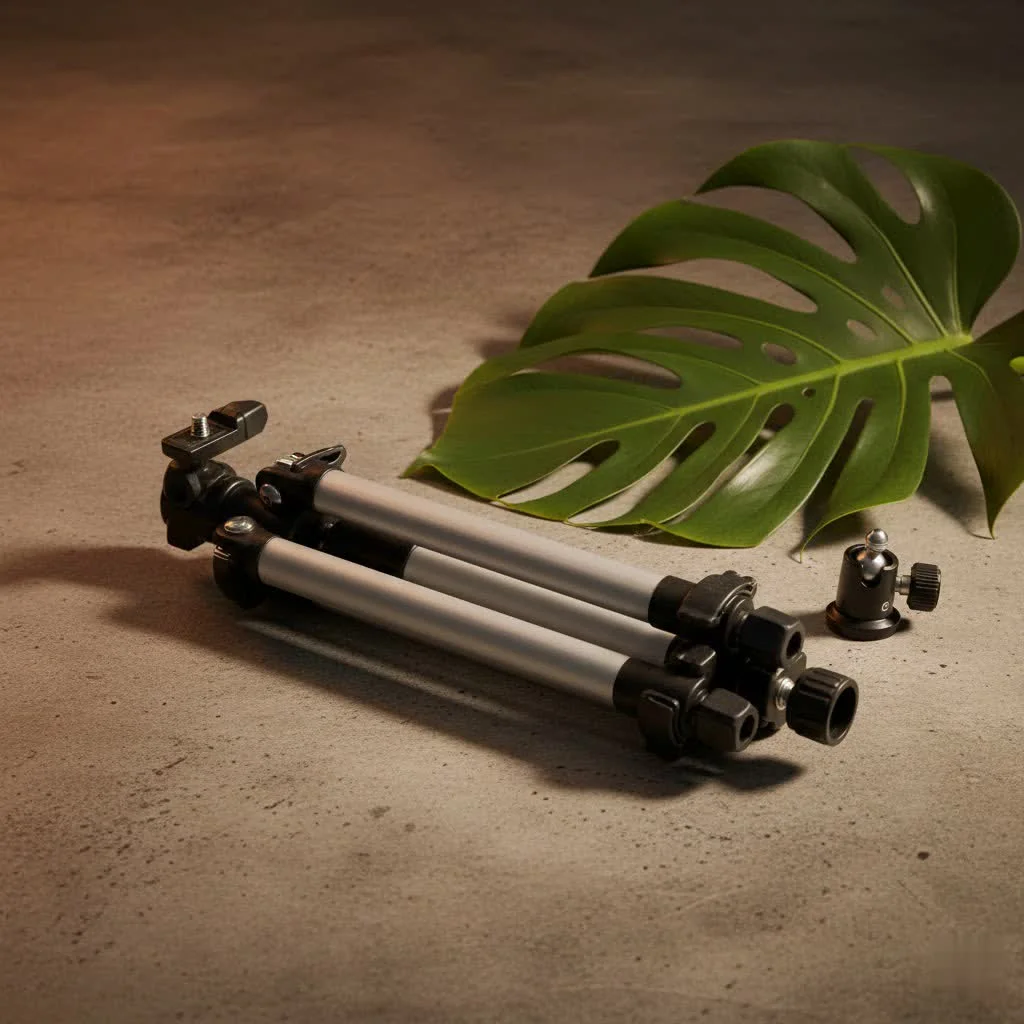 tripod stand with a Canon camera” style=”margin: 20px auto;width: 800px;max-width: 100%;height: auto” />
Understanding Your Canon’s Needs: Matching Tripod to Camera
Selecting a tripod isn’t a one-size-fits-all affair, especially when you’re dedicated to your Canon system. The ideal tripod for your gear is one that understands and complements its unique requirements. For shop curated tripod stands on this site.
What Does “Canon Tripod Stand” Truly Mean?
Let’s clear the air: Canon is celebrated for its incredible cameras and lenses, but they don’t produce a vast line of proprietary tripods. When we talk about a “Canon tripod stand,” we’re really discussing the best third-party tripods designed to perfectly support and integrate with your Canon DSLR or mirrorless camera setup. The market is rich with brands that build exceptional tripods compatible with Canon’s standard screw mounts and weight requirements, offering a vast array of choices from lightweight travel companions to robust studio workhorses.
Weight Capacity is King
The most critical factor in choosing a tripod for your Canon camera is its weight capacity. It’s not just about the camera body itself, but the entire setup: your Canon DSLR or mirrorless body, your heaviest lens (think those telephotos!), and any accessories like external flashes, battery grips, or microphones. A tripod that can’t comfortably bear the load will introduce instability, leading to blurry images and shaky video – precisely what you’re trying to avoid. Always aim for a tripod with a maximum load capacity significantly higher than your total gear weight for an extra margin of safety and stability. For instance, a full-frame Canon DSLR with a pro-grade zoom lens might easily tip the scales, demanding a tripod rated for 20-25 lbs or more.
Height Matters: Ergonomics for Canon Shooters
Consider the heights you’ll typically shoot from. Do you need eye-level height for comfortable standing shots, or will you often be shooting from a low angle for macro or creative perspectives? Most manufacturers advertise a maximum height, often with the center column fully extended. However, extending the center column can introduce wobble. Prioritize the stable height – the height when the legs are fully extended but the center column is down. “A good rule of thumb is to find a tripod that reaches your eye level without extending the center column, providing maximum stability for critical shots,” advises Dr. Elara Vance, lead photography engineer at SxJks.com. For travel, a shorter, more compact tripod might be a practical compromise, even if it means bending a little more.
Key Features to Look for in a Canon Tripod Stand
|
Our Picks for the Best Tripod Stand in 2026
As an Amazon Associate I earn from qualifying purchases.
|
||
| Num | Product | Action |
|---|---|---|
| 1 | IFOOTAGE RB-A400 Round Base Light Stand Monopod, 79\" Tripod Monopod for Cameras, Lights, Webcam, Live Streaming, Vlogging, Payload 22LBS |

|
| 2 | TONEOF 68\" Magnetic Selfie Stick Tripod with Aluminum Strong Magnetic Holder for Magsafe, 360° Rotatable Travel Phone Tripod Stand with Metal Ring & Rechargeable Remote for iPhone/Android(Beige Gray) |
|
| 3 | CAMBOFOTO 74\"-Camera-Tripod, Professional Aluminum Tripod/Leg Stand Mirrorless Camera/DSLR/Cell Phone/Camcorder/GoPro, with Phone Holder and Travel Bag (Gunmetal Gray) Weight 2.8 lbs Load 8.8 lbs |
|
| 4 | SENSYNE 62\" Phone Tripod & Selfie Stick, Extendable Cell Phone Tripod Stand with Wireless Remote and Phone Holder, Compatible with iPhone Android Phone, Camera |
|
| 5 | 71” Phone Tripod & Selfie Stick, Portable All in One Extendable Cell Phone Tripod Stand, with Wireless Remote Control for iPhone/Samsung/Android/Camera |
|
| 6 | Projector Stand Tripod Adjustable, Laptop Height from 23.5 to 46.5 inches with Gooseneck Phone Holder, Floor for Office, Home, Stage, Studio, DJ Racks Holder Mount, 23.5inch-46.5inch |
|
| 7 | EUCOS 62\" Phone Tripod, Tripod for iPhone & Selfie Stick with Remote, Extendable Cell Phone Stand & Ultimate Phone Holder, Solidest Phone Stand Compatible with iPhone/Android |
|
| 8 | Amazon Basics 50-inch Lightweight Portable Camera Tripod Stand with Quick-Release Plate, Adjustable Height, Aluminum, for Travel Photography, Champagne |
|
| 9 | Laptop Tripod Stand – Adjustable Laptop Holder with Phone Mount - Heavy- Duty Alloy Tripod Stand with Tray - Height Adjustable 0.65–1.6m - Portable, Foldable, 15kg Load Capacity - Black |
|
| 10 | 64” Tripod for Cell Phone & Camera, Phone Tripod with Remote and Phone Holder, Sturdy & Stable Height Adjustable Multi-Angle Shot Selfie Stick Tripod for Video Recording |
|
Beyond basic compatibility, several features distinguish a good tripod from a great one, enhancing your Canon photography experience.
Material: Carbon Fiber vs. Aluminum
The material of your tripod legs directly impacts its weight, stability, and cost.
- Carbon Fiber: Often preferred by serious photographers, carbon fiber offers an excellent strength-to-weight ratio. It’s significantly lighter than aluminum, making it ideal for travel and hiking. Carbon fiber is known for its superior vibration dampening capabilities, which is crucial for sharp images, especially with long exposures or telephoto lenses. The downside? It’s generally more expensive.
- Aluminum: A more budget-friendly option, aluminum tripods are durable and sturdy, though heavier than their carbon fiber counterparts. They still offer reliable support and are a fantastic choice for studio work or photographers who don’t need to carry their gear over long distances. “Choosing between carbon fiber and aluminum often comes down to your personal priorities: portability and premium performance versus budget and robust reliability,” notes Dr. Vance.
Tripod Head Types: Ball Heads, Pan-Tilt, and Gimbal
The tripod head is your camera’s direct interface with the tripod legs, dictating how you adjust your framing.
- Ball Heads: These are the most common and versatile. A single knob controls the ball joint, allowing for quick, fluid movement across all axes. They are excellent for general photography where rapid composition changes are needed. Many feature an Arca-Swiss compatible quick-release plate for swift attachment and detachment of your Canon camera.
- Pan-Tilt Heads: Offering independent control over pan (horizontal) and tilt (vertical) movements, pan-tilt heads are superb for precise adjustments, such as landscape, architectural, or macro photography, and especially for video work where smooth, controlled camera movements are essential. They typically have two or three separate handles.
- Gimbal Heads: Specifically designed for heavy telephoto lenses (think those used for wildlife or sports photography with your Canon EOS R5 and a super-telephoto), gimbal heads perfectly balance the camera and lens, allowing for effortless tracking of moving subjects with minimal effort.
Leg Locks: Twist vs. Flip
Tripod legs extend and lock into place using one of two primary mechanisms:
- Twist Locks: These involve rotating a collar on each leg section to tighten or loosen it. They are often quicker to deploy for experienced users and offer a sleek, compact profile.
- Flip Locks: These are lever-style clamps that snap open and closed. They can be very fast and provide a clear visual indication of whether a leg is locked or not. Both are effective; the choice largely comes down to personal preference for speed and feel.
Stability Enhancements
Look for additional features that boost stability. A center column hook allows you to hang extra weight (like your camera bag) for added stability in windy conditions. Some tripods include a ground-level spreader or a mid-level spreader between the legs to increase rigidity. Rubber feet provide grip on smooth surfaces, while retractable spikes are invaluable for securing the tripod on soft ground or ice.
Top Recommendations for Canon Tripod Stands
Based on extensive experience and industry insights, here are general categories of tripods that consistently perform well for Canon users:
- Best Overall / Versatile: The Vanguard VEO 3+ 303CBS is a standout for its stability and versatility, featuring a multi-angle center column ideal for various shooting scenarios, from low-angle macro to overhead shots. Its robust build accommodates a wide range of Canon DSLRs and mirrorless systems.
- Travel-Friendly: For photographers on the move, the Peak Design Travel Tripod (available in carbon fiber and aluminum) offers a remarkably compact design without sacrificing stability. The Benro MeFoto RoadTrip Pro Carbon Fibre is another excellent choice, providing 6-in-1 functionality including a monopod conversion, making it a versatile travel companion for your Canon gear.
- Budget-Conscious: The Vanguard VEO 3GO 235AB is a lightweight, compact, and affordable option perfect for mirrorless Canon setups, balancing cost and functionality. For solid performance without breaking the bank, aluminum options from Manfrotto (like the Element Traveler) also provide great value.
- Heavy-Duty/Professional: When ultimate stability and heavy load capacity are paramount for your professional Canon kit, tripods like the 3 Legged Thing Winston 2.0 or the Gitzo GK1555T-82TQD Traveller Tripod Kit are top-tier choices. These are built for demanding environments and heavier camera and lens combinations. “Never underestimate the long-term value of a professional-grade tripod. It’s an investment that will outlast several camera bodies,” Dr. Vance emphasizes.
Maximizing Your Canon Tripod Stand’s Potential
Having the right tripod is just the beginning. Knowing how to use and maintain it properly ensures you get the most out of your investment.
Proper Setup Techniques
- Extend Legs Smartly: Always extend the thickest leg sections first. This provides the most stable base.
- Leveling is Key: Utilize the bubble level on your tripod head or your Canon camera’s in-camera level for perfectly straight horizons.
- Minimize Shake: Use a remote shutter release (wired or wireless) or your camera’s self-timer (e.g., 2-second delay) to avoid introducing camera shake when pressing the shutter button. Mirrorless cameras benefit from electronic shutter, while DSLRs should use mirror lock-up.
Maintenance Tips
Regular maintenance prolongs the life of your tripod:
- Clean Regularly: Especially after shooting in sandy, dusty, or wet environments. Wipe down legs and joints with a damp cloth.
- Check Locks and Joints: Periodically inspect all leg locks and head adjustments for proper function and tightness. Clean any grit out of twist locks.
- Lubrication: If your ball head feels stiff, a tiny amount of specialized lubricant can restore its smooth action. Consult the manufacturer’s guidelines.
- Proper Storage: Store your tripod collapsed in a dry, clean place, preferably in its carrying bag to protect it from dust and bumps.
Beyond Stills: Video Applications
For Canon videographers, a good tripod is non-negotiable. It allows for locked-off shots, smooth panning, and tilting movements, giving your footage a professional, cinematic feel. Using a fluid pan-tilt head is particularly beneficial for video, enabling seamless transitions and consistent movement.
FAQs about Canon Tripod Stands
Q: Do Canon cameras come with a tripod?A: No, Canon cameras typically do not come with a tripod. Tripods are sold separately by third-party manufacturers, allowing you to choose one that best fits your specific shooting style and Canon camera model.
Q: Can I use any tripod with my Canon camera?A: Most tripods use a universal 1/4-inch screw mount, making them compatible with virtually all Canon cameras. However, selecting a tripod with adequate weight capacity and features for your specific Canon setup is crucial for stability and performance.
Q: What’s the ideal height for a tripod?A: Ideally, a tripod should reach your eye level without needing to extend the center column, ensuring maximum stability. For travel or specialized shots, a more compact or shorter tripod might be preferred, even if it means adjusting your shooting posture.
Q: How much should I spend on a tripod for my Canon?A: Tripod prices vary widely, from under $100 for basic models to over $1000 for professional carbon fiber systems. A good rule of thumb is to invest roughly 10-20% of your camera body’s cost into a quality tripod, ensuring it can safely and stably support your Canon gear.
Q: How do I clean my tripod?A: After each use, especially in harsh conditions, wipe down the legs and head with a damp cloth to remove dirt and dust. For twist locks, extend the legs fully and wipe down the exposed tubes. For more thorough cleaning, consult your tripod’s manual, as some components may require specific care or disassembly.
Conclusion
A high-quality tripod stand is an indispensable tool for any serious Canon photographer or videographer. It’s the foundation for sharpness, creative control, and consistent results. By understanding your Canon camera’s weight and your specific shooting needs, and by carefully considering features like material, head type, and stability enhancements, you can choose a “Canon tripod stand” that will empower you to capture stunning images and videos for years to come. Invest wisely, master its use, and watch your photography soar to new, stable heights.
Frequently Asked Questions
Do Canon cameras typically include a tripod when purchased?
No, Canon cameras typically do not come with a tripod. Tripods are sold separately by third-party manufacturers, allowing photographers to select a model that best suits their specific shooting style and Canon camera model.
Can any universal tripod be used with a Canon camera?
Most tripods feature a universal 1/4-inch screw mount, making them compatible with virtually all Canon cameras. However, it is crucial to select a tripod with adequate weight capacity and features that match your specific Canon setup to ensure optimal stability and performance.
What is the recommended ideal height for a photography tripod?
Ideally, a tripod should reach your eye level without needing to extend the center column, which ensures maximum stability for critical shots. For travel or specialized low-angle photography, a more compact or shorter tripod might be preferred, even if it requires adjusting your shooting posture.
How much should a photographer budget for a quality Canon tripod?
Tripod prices vary widely, from under $100 for basic models to over $1000 for professional carbon fiber systems. A good rule of thumb is to invest approximately 10-20% of your camera body's cost into a quality tripod, ensuring it can safely and stably support your Canon gear for years.
What are the best practices for cleaning a tripod after use?
After each use, especially in harsh conditions, wipe down the legs and head with a damp cloth to remove dirt and dust. For twist locks, extend the legs fully and wipe down the exposed tubes. For more thorough cleaning, always consult your tripod's manual, as some components may require specific care or disassembly.
Choosing the Right Tripod for Your Canon Camera
This guide outlines the essential steps to select a tripod that provides optimal stability, precision, and performance for your Canon DSLR or mirrorless camera system.
Calculate the combined weight of your Canon camera body, your heaviest lens, and any accessories like flashes or battery grips. Choose a tripod with a maximum load capacity significantly higher than this total for safety and stability, ideally 20-25 lbs for a full-frame DSLR with a pro zoom.
Consider your typical shooting scenarios. Select a tripod that reaches your eye level without extending the center column for maximum stability. For travel or specific low-angle shots, a more compact tripod might be a practical compromise.
Decide between carbon fiber for lighter weight, superior vibration dampening, and portability (though more expensive), or aluminum for a more budget-friendly, durable, and sturdy option suitable for studio work. Your choice depends on priorities like portability versus cost.
Choose a head type based on your photography style: ball heads for versatility and quick adjustments, pan-tilt heads for precise control in landscapes or video, or gimbal heads for heavy telephoto lenses used in wildlife and sports photography.
Look for features like a center column hook for added weight, ground-level or mid-level spreaders for rigidity, and appropriate feet (rubber for smooth surfaces, spikes for soft ground). Decide between twist locks for quick deployment or flip locks for clear visual indication of locking.
Get our weekly buyer guide
Practical specs, not advice. Unsubscribe anytime.
The advice on matching the tripod to your specific Canon system was helpful. I got a new tripod based on the recommendations for mirrorless cameras, but I found the quick-release plate a bit fiddly to attach to my Canon R6. It’s stable once it’s on, but it takes a moment longer than I’d like to set up.
Great info here. I always thought a ‘Canon tripod stand’ meant an actual Canon-branded one, so it was good to clarify that it’s about third-party options. I picked up a sturdy carbon fiber model for my Canon 5D Mark IV, and it’s been fantastic for landscape photography. It’s light enough to carry on hikes, which was a big plus for me.
As a videographer, smooth video is crucial. I appreciated the emphasis on precision and performance. I invested in a fluid head tripod that was mentioned as a good option for video work with Canon DSLRs, and it has made a huge difference in my panning shots. No more jerky movements!
I’ve been using a cheap tripod for my Canon EOS R5 and it just wasn’t cutting it. This guide really helped me understand the importance of weight capacity. I ended up getting a Manfrotto recommended for heavier setups, and the difference in stability is night and day. My long exposure shots are finally tack sharp!