The best camera tripod stand provides a rock-solid foundation for your camera, enabling sharper images and smoother videos that in-body image stabilization alone cannot achieve. A quality tripod is essential for long-exposure landscapes, intricate macro details, and professional videography, elevating your work from good to exceptional. Understanding your specific photography style and the key components of a tripod are crucial steps in selecting the ideal model for your creative needs.
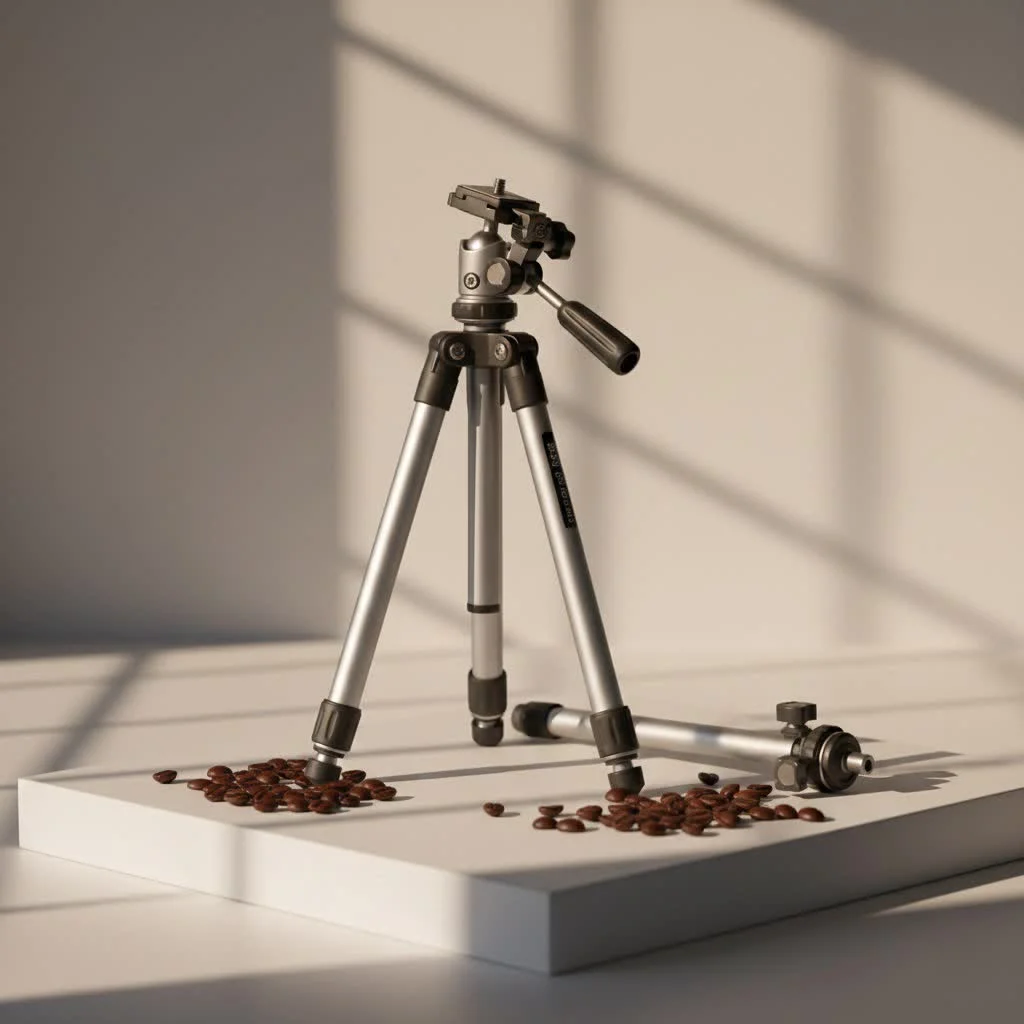 tripod stand in a scenic outdoor location” style=”margin: 20px auto;width: 800px;max-width: 100%;height: auto” />
Understanding Your Needs: What Kind of Photographer Are You?
Before diving into the technicalities, consider your photography style. Your perfect tripod isn’t the same as everyone else’s because your creative journey is unique. Understanding how and where you shoot is the first, most crucial step in choosing the best camera tripod stand. For see our tripod stands recommendations on this site.
The Traveler’s Companion: Lightweight and Compact
Are you constantly on the move, scaling mountains, exploring bustling cityscapes, or trekking through remote trails? Then a travel tripod is your best friend. These are designed with portability in mind, often folding down to an incredibly compact size that easily fits into a backpack or attaches to its side without feeling like a burden.
What makes a great travel tripod?
- Folded Size: The smaller, the better. Look for models that can collapse to a length you’re comfortable carrying.
- Weight: Every ounce counts when you’re hiking. Carbon fiber tripods are generally lighter than aluminum, making them a premium choice for travelers, though they come with a higher price tag.
- Quick Setup: You don’t want to miss a fleeting moment fiddling with complicated leg locks. Fast, intuitive setup is key.
Studio and Landscape Warrior: Stability First
If your photography tends to be more deliberate – think serene landscapes, intricate studio portraits, or architectural shots where every line must be perfectly straight – then absolute stability is paramount. For these scenarios, you’re often dealing with heavier camera bodies, larger lenses, and longer exposure times, where even the slightest wobble can ruin a shot.
What features are essential here?
- Robust Materials: Heavier-duty aluminum or sturdy carbon fiber constructions offer superior vibration dampening.
- High Load Capacity: Your tripod must confidently support your heaviest camera and lens combination, with some buffer for accessories.
- Minimal Flex: Thicker leg sections and solid joints ensure your setup remains perfectly still, even in challenging conditions like strong winds.
The Creative Visionary: Versatility and Unique Angles
Do you love experimenting with unconventional perspectives, shooting from extreme low angles, or capturing overhead product shots? Then versatility is what you need from your camera tripod stand.
What tripods spark creativity?
- Flexible Tripods: Brands like Joby’s GorillaPods, with their bendable legs, can wrap around objects, making them perfect for uneven terrain or unique mounting points.
- Articulating Center Columns: Some advanced tripods offer center columns that can pivot horizontally, ideal for macro photography, flat-lays, or getting your camera into tight spots for a fresh perspective.
- Tabletop Tripods: Small yet mighty, these are excellent for getting very low to the ground or for stable shots on elevated surfaces, perfect for vlogging or close-up work.
Demystifying Tripod Components: What to Look For
|
Our Picks for the Best Tripod Stand in 2026
As an Amazon Associate I earn from qualifying purchases.
|
||
| Num | Product | Action |
|---|---|---|
| 1 | EUCOS 62\" Phone Tripod, Tripod for iPhone & Selfie Stick with Remote, Extendable Cell Phone Stand & Ultimate Phone Holder, Solidest Phone Stand Compatible with iPhone/Android |

|
| 2 | SENSYNE 62\" Phone Tripod & Selfie Stick, Extendable Cell Phone Tripod Stand with Wireless Remote and Phone Holder, Compatible with iPhone Android Phone, Camera |
|
| 3 | IFOOTAGE RB-A400 Round Base Light Stand Monopod, 79\" Tripod Monopod for Cameras, Lights, Webcam, Live Streaming, Vlogging, Payload 22LBS |
|
| 4 | Laptop Tripod Stand – Adjustable Laptop Holder with Phone Mount - Heavy- Duty Alloy Tripod Stand with Tray - Height Adjustable 0.65–1.6m - Portable, Foldable, 15kg Load Capacity - Black |
|
| 5 | TONEOF 68\" Magnetic Selfie Stick Tripod with Aluminum Strong Magnetic Holder for Magsafe, 360° Rotatable Travel Phone Tripod Stand with Metal Ring & Rechargeable Remote for iPhone/Android(Beige Gray) |
|
| 6 | CAMBOFOTO 74\"-Camera-Tripod, Professional Aluminum Tripod/Leg Stand Mirrorless Camera/DSLR/Cell Phone/Camcorder/GoPro, with Phone Holder and Travel Bag (Gunmetal Gray) Weight 2.8 lbs Load 8.8 lbs |
|
| 7 | 71” Phone Tripod & Selfie Stick, Portable All in One Extendable Cell Phone Tripod Stand, with Wireless Remote Control for iPhone/Samsung/Android/Camera |
|
| 8 | Projector Stand Tripod Adjustable, Laptop Height from 23.5 to 46.5 inches with Gooseneck Phone Holder, Floor for Office, Home, Stage, Studio, DJ Racks Holder Mount, 23.5inch-46.5inch |
|
| 9 | Amazon Basics 50-inch Lightweight Portable Camera Tripod Stand with Quick-Release Plate, Adjustable Height, Aluminum, for Travel Photography, Champagne |
|
| 10 | 64” Tripod for Cell Phone & Camera, Phone Tripod with Remote and Phone Holder, Sturdy & Stable Height Adjustable Multi-Angle Shot Selfie Stick Tripod for Video Recording |
|
Now that we’ve considered your shooting style, let’s break down the individual components that make up the best camera tripod stand and what to prioritize.
Materials Matter: Carbon Fiber vs. Aluminum
The material of your tripod legs significantly impacts its performance, weight, and cost.
- Carbon Fiber:
- Pros: Significantly lighter than aluminum, excellent vibration absorption, stronger for its weight, and more rigid.
- Cons: More expensive.
- Ideal for: Travel, hiking, situations where weight is a primary concern, or when shooting in cold environments as it doesn’t get as cold to the touch.
- Aluminum:
- Pros: More affordable, generally very sturdy and durable, can sometimes offer more inherent stability due to its weight.
- Cons: Heavier and can transmit vibrations more readily than carbon fiber.
- Ideal for: Studio use, landscape photography where weight isn’t a major issue, or photographers on a tighter budget.
Legs and Locks: The Foundation of Stability
The design of the tripod legs and their locking mechanisms are crucial for quick setup and rock-solid stability.
- Number of Leg Sections: Tripods typically have 3 to 5 sections per leg.
- Fewer Sections (e.g., 3-section): Generally more stable, quicker to set up, but longer when folded.
- More Sections (e.g., 5-section): More compact when folded, ideal for travel, but can be slightly less stable and take a bit longer to deploy.
- Leg Locks:
- Twist Locks: You twist a collar to loosen or tighten each leg section. They are often more compact and durable, preferred by many professionals for their sleek design.
- Flip Locks (Lever Locks): A lever is flipped to lock or unlock the leg section. They are typically faster to engage and disengage, but can be bulkier and, in some cheaper models, prone to wear over time. The choice often comes down to personal preference for speed versus compact design.
The Head of the Matter: Choosing the Right Tripod Head
The tripod head is what connects your camera to the legs and allows you to compose your shots. Often, the best camera tripod stand kits include a suitable head, but many professionals prefer to buy legs and heads separately to customize their setup.
- Ball Heads:
- Pros: Versatile, fast to adjust with a single locking knob, compact, and lightweight. Excellent for general photography.
- Cons: Can be challenging to make precise, independent adjustments on multiple axes.
- Pan-Tilt Heads (3-Way Heads):
- Pros: Offers independent control over pan, tilt, and portrait/landscape orientation. Ideal for precise adjustments in landscape, architectural, or studio photography.
- Cons: Can be slower to adjust than ball heads, generally heavier and bulkier.
- Fluid Video Heads:
- Pros: Designed for smooth, controlled panning and tilting, essential for videography. They provide dampened, fluid motion.
- Cons: Less flexible for still photography composition, heavier.
- Gimbal Heads:
- Pros: Specifically designed for large, heavy telephoto lenses, allowing for effortless balancing and tracking of moving subjects (e.g., wildlife, sports).
- Cons: Specialized and not suitable for general photography.
Height, Weight, and Load Capacity: The Golden Triangle
These three factors are interconnected and crucial for your tripod’s functionality.
- Maximum Height: Ideally, your tripod should allow you to shoot at eye level without extending the center column too much. This prevents you from stooping uncomfortably and maximizes stability.
- Minimum Height: For creative low-angle shots, a tripod that can get close to the ground is invaluable. Some even allow legs to splay out almost flat.
- Folded Length: As discussed, this is critical for portability.
- Tripod Weight: There’s always a trade-off. A lighter tripod is easier to carry but can be less stable, especially in windy conditions. A heavier tripod offers more stability but might deter you from bringing it along.
- Load Capacity (Payload): This is paramount. Always choose a tripod with a maximum load capacity significantly higher than the combined weight of your heaviest camera, lens, and any accessories (like a flash or external monitor). Overloading can damage your gear and the tripod itself. A good rule of thumb is to aim for a tripod that can hold at least 2-3 times your total gear weight.
Beyond the Basics: Center Columns and Feet
Don’t overlook these smaller, but impactful, features when selecting the best camera tripod stand.
- Center Column:
- While convenient for extra height, extending the center column can reduce stability.
- Some tripods offer innovative pivoting or articulating center columns, allowing you to position your camera at various angles, which is fantastic for macro work or unique compositions.
- Feet:
- Many tripods come with rubber feet for good grip on most surfaces.
- Some offer interchangeable feet, like spiked feet for soft ground or sand, or larger ‘snow shoes’ for snow. This versatility is a huge plus for outdoor photographers.
Top Picks and Key Recommendations for Your Best Camera Tripod Stand
While naming specific models can become outdated quickly, certain characteristics and brands consistently deliver quality.
For travelers seeking the ultimate lightweight and compact solution, look for premium carbon fiber travel tripods that prioritize folded size and quick deployment. Brands like Peak Design and 3 Legged Thing often lead in this category, offering innovative designs.
If stability for landscapes and studio work is your priority, robust aluminum or heavy-duty carbon fiber tripods with thick leg sections and high load capacities are essential. Manfrotto’s 190 and 055 series, or Vanguard’s sturdy models, are popular choices known for their durability.
For videographers, focus on tripods paired with fluid heads that ensure smooth, controlled movements. SmallRig and specialized video tripod brands often excel here.
“The best camera tripod stand isn’t just a piece of gear; it’s an extension of your creative vision. It frees you to slow down, compose with intention, and capture moments that a handheld shot simply can’t achieve,” says Dr. Anya Sharma, lead content creator at SxJks.com and a veteran photographer with over a decade of field experience. “Don’t just buy a tripod; invest in one that truly empowers your photography.”
Common Tripod Mistakes to Avoid
Even with all this knowledge, it’s easy to make a misstep when buying your first (or fifth) camera tripod stand. Here are a few common pitfalls to steer clear of:
- Overlooking Load Capacity: This is probably the biggest and most dangerous mistake. Never assume your tripod can handle more weight than specified. Always check the maximum payload rating.
- Prioritizing Lightness Over Stability: While a lightweight tripod is great for travel, if it can’t keep your camera steady in a light breeze, it’s useless. Find a balance that suits your needs.
- Not Considering Setup Speed: If your tripod takes ages to set up, you might find yourself leaving it in your bag, missing those spontaneous shots.
- Ignoring Tripod Head Compatibility: If you’re buying legs and a head separately, ensure they are compatible and that the head’s load capacity also matches or exceeds your gear’s weight.
- Buying Blindly: Whenever possible, try out a tripod in person. Feel the locks, extend the legs, test the head. What feels good to one person might not feel right to you.
FAQs about Your Best Camera Tripod Stand
Q1: Why do I need a tripod when my camera has image stabilization?
A: While image stabilization is fantastic for reducing camera shake in handheld shots, a tripod provides absolute stillness, crucial for long exposures, sharp macro photography, time-lapses, panoramas, and precise composition, which stabilization alone cannot achieve.
Q2: Is carbon fiber always better than aluminum for a camera tripod stand?
A: Not necessarily “always better,” but carbon fiber generally offers a lighter weight, better vibration dampening, and superior strength-to-weight ratio. However, aluminum is more affordable and can offer comparable stability for less demanding applications, especially in studio settings.
Q3: What’s the most versatile type of tripod head for general photography?
A: A ball head is generally considered the most versatile for general photography due to its quick adjustments and compact design. However, pan-tilt heads offer more precise, independent control over each axis, which is better for specific genres like architecture or precise video work.
Q4: How do I know what load capacity I need for my tripod?
A: Calculate the total weight of your heaviest camera body, lens, and any accessories you’ll regularly mount. Then, choose a tripod with a load capacity that is at least 2 to 3 times that total weight to ensure optimal stability and safety.
Q5: Can I use a video tripod for photography?
A: Yes, you can use a video tripod for photography, but be aware that video tripods are optimized for smooth movement (with fluid heads) and may not offer the same quick adjustability or multi-axis control ideal for still photography. For occasional photography with a video tripod, it can work, but a dedicated photography tripod might be more efficient.
Q6: How tall should my best camera tripod stand be?
A: Ideally, your tripod’s maximum height (without excessively extending the center column) should bring your camera’s viewfinder or screen to eye level when you’re standing. This ensures comfortable shooting and minimizes back strain.
Q7: Should I buy a tripod with twist locks or flip locks?
A: This largely comes down to personal preference. Twist locks are often more compact and seen as more durable, while flip locks can be quicker to engage and disengage. Try both if possible to see which feels more intuitive for your workflow.
improve your Photography with the Right Tripod
Choosing the best camera tripod stand is more than just picking a piece of equipment; it’s about investing in your photographic journey and unlocking new creative possibilities. By carefully considering your specific needs, understanding the crucial components, and avoiding common mistakes, you’ll find a tripod that becomes an indispensable tool in your kit. So go ahead, make an informed choice, and prepare to capture images and videos with a newfound level of precision and artistry. We encourage you to explore our in-depth guides on SxJks.com to further refine your knowledge, and share your experiences with your new tripod in the comments below!
Frequently Asked Questions
Why do I need a tripod when my camera has image stabilization?
A tripod provides absolute stillness, which is crucial for long exposures, sharp macro photography, time-lapses, panoramas, and precise composition. While image stabilization reduces camera shake in handheld shots, it cannot replicate the complete stability offered by a tripod for these specialized techniques.
Is carbon fiber always better than aluminum for a camera tripod stand?
Not necessarily. Carbon fiber tripods are generally lighter, offer better vibration dampening, and have a superior strength-to-weight ratio, making them ideal for travel. However, aluminum tripods are more affordable and provide comparable stability for studio use or landscape photography where weight is less of a concern.
What's the most versatile type of tripod head for general photography?
A ball head is widely considered the most versatile for general photography due to its quick adjustments and compact design. For more precise, independent control over pan, tilt, and portrait/landscape orientation, a pan-tilt head is better suited for genres like architecture or studio work.
How do I determine the correct load capacity for my tripod?
To determine the correct load capacity, calculate the total weight of your heaviest camera body, lens, and any accessories you plan to mount. Then, choose a tripod with a maximum load capacity that is at least 2 to 3 times that combined weight to ensure optimal stability and safety for your gear.
Can I use a video tripod for still photography?
Yes, a video tripod can be used for still photography, but it's optimized for smooth, fluid movements rather than quick, precise adjustments needed for still compositions. While it can work for occasional photography, a dedicated photography tripod often offers more efficient control for still images.
How tall should my tripod be for comfortable shooting?
Ideally, your tripod's maximum height, without excessively extending the center column, should bring your camera's viewfinder or screen to eye level when you are standing. This ergonomic height ensures comfortable shooting and helps minimize back strain during extended sessions.
Get our weekly buyer guide
Practical specs, not advice. Unsubscribe anytime.
The guide was helpful for understanding different tripod types. I ended up getting a mid-range aluminum one for my landscape shots, but I’ve noticed the leg locks can be a bit sticky sometimes. It’s not a dealbreaker, and it still provides good stability for long exposures, but I wish they were a bit smoother to operate. Maybe I should have splurged for a higher-end model.
I’ve been looking for a lightweight and compact tripod for my travel photography, and the recommendations here were spot on. I picked up one of the carbon fiber models mentioned, and it’s been a game-changer. It fits perfectly in my backpack without adding much weight, and the stability is still fantastic even in windy conditions. Highly recommend for anyone who shoots on the go!
As a videographer, I always struggle with getting smooth pans and tilts. The section on fluid heads was exactly what I needed. I invested in one of the recommended brands, and the difference in my video footage is night and day. It’s so much easier to get professional-looking shots now. This was a really comprehensive guide.
This really helped me narrow down my choices for a new tripod. I mostly do macro photography, and the advice about getting one with a good center column and flexible leg angles was super useful. I found a great model that lets me get really low to the ground for those intricate detail shots. My images are definitely sharper now.