In the fast-paced world of photography and videography, where every second counts and every shot demands precision, the ability to move your camera setup effortlessly can be a true game-changer. That’s where the often-underestimated hero, the Tripod Roller Stand, rolls into action. Forget the days of awkwardly lifting and shuffling your heavy gear; with a rolling tripod stand, seamless transitions and dynamic camera movements are no longer just for big-budget productions. It’s about empowering you, the creative, to focus on your vision without battling your equipment.
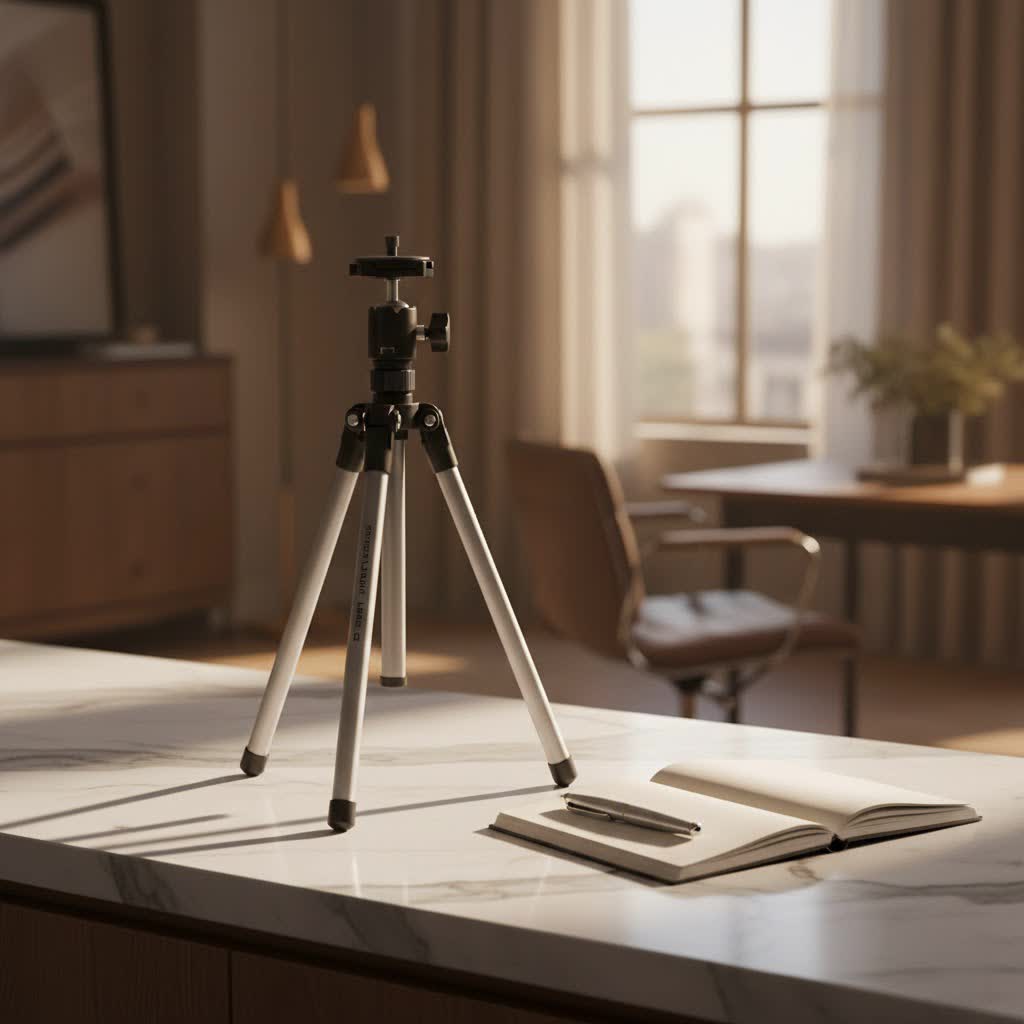
At SxJks.com, we believe that understanding your tools is the first step to mastering your craft. A tripod roller stand, often referred to as a tripod dolly, is far more than just a set of wheels. It’s an essential accessory that transforms your stationary tripod into a mobile powerhouse, opening up a world of creative possibilities and significant workflow improvements, especially in studio or indoor environments.
What Exactly is a Tripod Roller Stand?
Simply put, a tripod roller stand is a specialized base equipped with wheels designed to attach to or integrate with a standard camera tripod. Its primary function is to grant mobility to your entire camera rig, allowing you to glide smoothly across flat surfaces. Think of it as giving your stable, three-legged friend the ability to dance.
These stands come in various forms. Some are universal dollies that feature adjustable arms to securely clamp onto the legs of your existing tripod, effectively adding a set of wheels to it. Others are integrated rolling stands, often heavier-duty, with their own central column and wheeled base, designed to directly mount camera heads or lighting equipment. Both types aim to reduce the friction of repositioning, enabling swift adjustments to your setup.
Why You Need a Tripod Roller Stand: Unlocking Creative Freedom and Efficiency
The benefits of incorporating a tripod roller stand into your gear arsenal extend far beyond mere convenience. They directly impact your creative output and operational efficiency.
Seamless Repositioning and Workflow Efficiency
|
Our Picks for the Best Tripod Stand in 2026
As an Amazon Associate I earn from qualifying purchases.
|
||
| Num | Product | Action |
|---|---|---|
| 1 | TONEOF 68\" Magnetic Selfie Stick Tripod with Aluminum Strong Magnetic Holder for Magsafe, 360° Rotatable Travel Phone Tripod Stand with Metal Ring & Rechargeable Remote for iPhone/Android(Beige Gray) |

|
| 2 | IFOOTAGE RB-A400 Round Base Light Stand Monopod, 79\" Tripod Monopod for Cameras, Lights, Webcam, Live Streaming, Vlogging, Payload 22LBS |
|
| 3 | CAMBOFOTO 74\"-Camera-Tripod, Professional Aluminum Tripod/Leg Stand Mirrorless Camera/DSLR/Cell Phone/Camcorder/GoPro, with Phone Holder and Travel Bag (Gunmetal Gray) Weight 2.8 lbs Load 8.8 lbs |
|
| 4 | EUCOS 62\" Phone Tripod, Tripod for iPhone & Selfie Stick with Remote, Extendable Cell Phone Stand & Ultimate Phone Holder, Solidest Phone Stand Compatible with iPhone/Android |
|
| 5 | 64” Tripod for Cell Phone & Camera, Phone Tripod with Remote and Phone Holder, Sturdy & Stable Height Adjustable Multi-Angle Shot Selfie Stick Tripod for Video Recording |
|
| 6 | 71” Phone Tripod & Selfie Stick, Portable All in One Extendable Cell Phone Tripod Stand, with Wireless Remote Control for iPhone/Samsung/Android/Camera |
|
| 7 | SENSYNE 62\" Phone Tripod & Selfie Stick, Extendable Cell Phone Tripod Stand with Wireless Remote and Phone Holder, Compatible with iPhone Android Phone, Camera |
|
| 8 | Laptop Tripod Stand – Adjustable Laptop Holder with Phone Mount - Heavy- Duty Alloy Tripod Stand with Tray - Height Adjustable 0.65–1.6m - Portable, Foldable, 15kg Load Capacity - Black |
|
| 9 | Projector Stand Tripod Adjustable, Laptop Height from 23.5 to 46.5 inches with Gooseneck Phone Holder, Floor for Office, Home, Stage, Studio, DJ Racks Holder Mount, 23.5inch-46.5inch |
|
| 10 | Amazon Basics 50-inch Lightweight Portable Camera Tripod Stand with Quick-Release Plate, Adjustable Height, Aluminum, for Travel Photography, Champagne |
|
Imagine a studio shoot where you need to adjust your camera’s position by just a few inches, or perhaps move it to a completely different spot to capture a new angle. Without a rolling tripod stand, this often means detaching your camera, collapsing the tripod, moving it, and then re-setting up and re-leveling everything. It’s a time-consuming dance that breaks your flow. With a tripod roller stand, you simply unlock the wheels, roll your entire setup to the new spot, lock the wheels again, and you’re ready to shoot. This fluid movement saves precious time and energy, allowing you to maintain creative momentum. It’s particularly invaluable in multi-camera setups or when you’re working alone and need to manage multiple pieces of equipment.
Elevate Your Videography: Smooth Tracking Shots
While not a substitute for professional cinema dollies on tracks, a high-quality tripod roller stand can surprisingly elevate your videography by enabling smooth, controlled tracking shots on flat surfaces. Whether you’re moving alongside a subject, revealing a scene, or adding dynamic flair to an interview, the ability to glide your camera can introduce a professional, cinematic feel. The rubber-cushioned wheels found on many quality models ensure quiet and stable movement, minimizing jitters and unwanted vibrations. For content creators on a budget, it can even serve as a practical alternative to a dedicated camera slider for certain shots, offering a sense of motion that static shots simply can’t provide.
Space-Saving Solutions for Dynamic Studios
Studio spaces, especially home studios, can often feel cramped. A traditional tripod’s splayed legs can take up a significant footprint, making navigation challenging, particularly when dealing with cables and other gear. Some tripod roller stands are designed to minimize this issue. When the dolly arms are set to their minimum length, the tripod’s footprint becomes much smaller, which is excellent for tight spaces or shooting close to a wall. Moreover, many rolling stands are highly versatile, not just for cameras but also for mounting lights, monitors, tablets, or other production accessories, making them multi-functional assets that help declutter your workspace.
Choosing the Right Tripod Roller Stand: What to Look For
Selecting the ideal tripod roller stand is crucial for maximizing its benefits. With several options on the market, understanding key features will help you make an informed decision.
Prioritize Weight Capacity and Build Quality
The first and most critical consideration is weight capacity. Your tripod roller stand must comfortably support the combined weight of your camera, lens, tripod, and any additional accessories you plan to mount. Always check the manufacturer’s specifications and aim for a stand rated for at least 20% more than your total estimated weight for a safety margin.
Regarding build quality, look for durable materials like aluminum or steel for the legs and frame. Avoid overly cheap options with flimsy plastic components, as these can compromise stability and longevity. High-quality metal construction ensures your investment will withstand the rigors of frequent use.
The Wheels Make the Difference: Smoothness and Stability
The casters (wheels) are arguably the most important part of a tripod roller stand. Opt for models with large-diameter, rubber-cushioned wheels, typically 3 inches or larger. Larger wheels roll more smoothly, especially over minor imperfections in the floor, and rubber cushioning helps absorb shocks and reduce noise.
Individual wheel brakes or foot locks are non-negotiable. These allow you to secure the stand firmly in place, preventing accidental movement during a shot or when setting up your gear. All-metal locking casters offer superior durability and reliability compared to plastic alternatives.
Universal Compatibility and Adjustable Design
If you’re opting for a tripod dolly that attaches to your existing tripod, ensure it has universal foot attachments and extendable leg bases. This allows it to securely hold various tripod leg sizes and shapes. Easy-to-turn knobs or quick-release mechanisms for securing your tripod legs are also a big plus, streamlining your setup process. Some stands also feature adjustable height mechanisms, giving you more flexibility in positioning your camera.
Portability and Storage
Even a rolling stand needs to be moved around when not in use or transported to different locations. Look for features like fully collapsible legs, a built-in handle, and an included travel storage case with an adjustable shoulder strap. Compact storage is a significant advantage, particularly for creators who work in multiple locations or have limited storage space.
When to Opt for a Tripod Roller Stand (and When to Stick to a Traditional Tripod)
While incredibly useful, tripod roller stands aren’t a one-size-fits-all solution. Knowing when to use one and when to rely on a traditional tripod is key to getting the best results.
Ideal Scenarios: The Roller Stand Shines
A tripod roller stand truly excels in environments with smooth, flat surfaces. Think indoor studios, office spaces, event halls, and polished concrete floors. They are perfect for:
- Studio Photography/Videography: Quickly moving between sets or adjusting framing for product shots, portraits, or interviews.
- Live Streams and Webinars: Effortlessly repositioning the camera to follow a presenter or switch between different angles without interruption.
- Corporate or Event Videography: Capturing dynamic shots during presentations or receptions on smooth floors, making it easier to track subjects.
- Workflow Enhancement: For any creator who frequently reframes or repositions their camera during a shoot, a rolling stand drastically speeds up the process.
When a Traditional Tripod is Best
For all its advantages, a tripod roller stand has limitations. It’s generally not suitable for:
- Outdoor Shoots: Uneven terrain, grass, gravel, or dirt will hinder smooth movement and can damage the wheels.
- Stairs or Obstacles: Any significant elevation changes or obstacles make a rolling stand impractical and potentially unsafe.
- Maximizing Ultimate Stability: While good quality dollies are stable, for absolute rock-solid static shots in challenging conditions (like long exposures in windy environments), a traditional tripod planted firmly on the ground often offers superior stability.
- Travel: While some are compact, a dedicated lightweight travel tripod is usually preferred for backpacking or air travel due to overall weight and size.
Expert Insights from SxJks.com
“From my decade of experience working with all sorts of camera setups, a quality tripod roller stand is one of those ‘aha!’ pieces of gear,” says Elara Vance, Senior Gear Analyst at SxJks. “It’s not just about adding wheels; it’s about transforming your workflow. I’ve seen countless creators struggle with heavy rigs, constantly lifting and adjusting. A well-chosen tripod roller stand liberates you from that physical strain, allowing you to focus purely on the creative aspects of your shoot. However, always match your dolly to your environment – smooth surfaces are your friend here!”
DIY Tripod Roller Stands: A Budget-Friendly Option?
For the budget-conscious or the hands-on creator, building a DIY tripod roller stand is a popular endeavor. Common materials include PVC pipes, MDF, aluminum channel stock, and even repurposed rollerblade wheels. These projects can be incredibly satisfying and cost-effective, allowing for customization to fit specific needs.
However, it’s important to set realistic expectations. While a DIY solution can be functional for basic repositioning, achieving the buttery-smooth, quiet, and consistently straight tracking shots of professional dollies can be challenging. Small wheels may struggle with floor imperfections, and homemade constructions might lack the robust stability needed for heavier, more expensive camera gear. Always prioritize safety and stability, especially when entrusting valuable equipment to a homemade rig.
Final Roll: Elevate Your Creative Journey
A tripod roller stand is more than just an accessory; it’s a strategic investment in your creative efficiency and potential. Whether you’re a seasoned professional looking to optimize your studio workflow or an aspiring videographer keen to add dynamic movement to your shots, integrating a quality rolling tripod stand can unlock new levels of creative freedom. By understanding its benefits, recognizing its limitations, and choosing the right model for your specific needs, you can transform the way you interact with your gear. So, take the stress out of repositioning, embrace the fluidity of movement, and let a tripod roller stand help you glide smoothly toward your next masterpiece.
