Every photographer and videographer dreams of capturing that perfect, polished shot – a moment where the subject truly shines against a flawless background, free from distracting clutter. This dream becomes a reality with the right tools, and at the heart of a professional setup often lies the humble yet powerful Tripod Backdrop Stand. Whether you’re a seasoned pro or just starting your creative journey, understanding how to choose, use, and maintain this essential piece of equipment can revolutionize your visual storytelling.
What is a Tripod Backdrop Stand and Why Do You Need One?
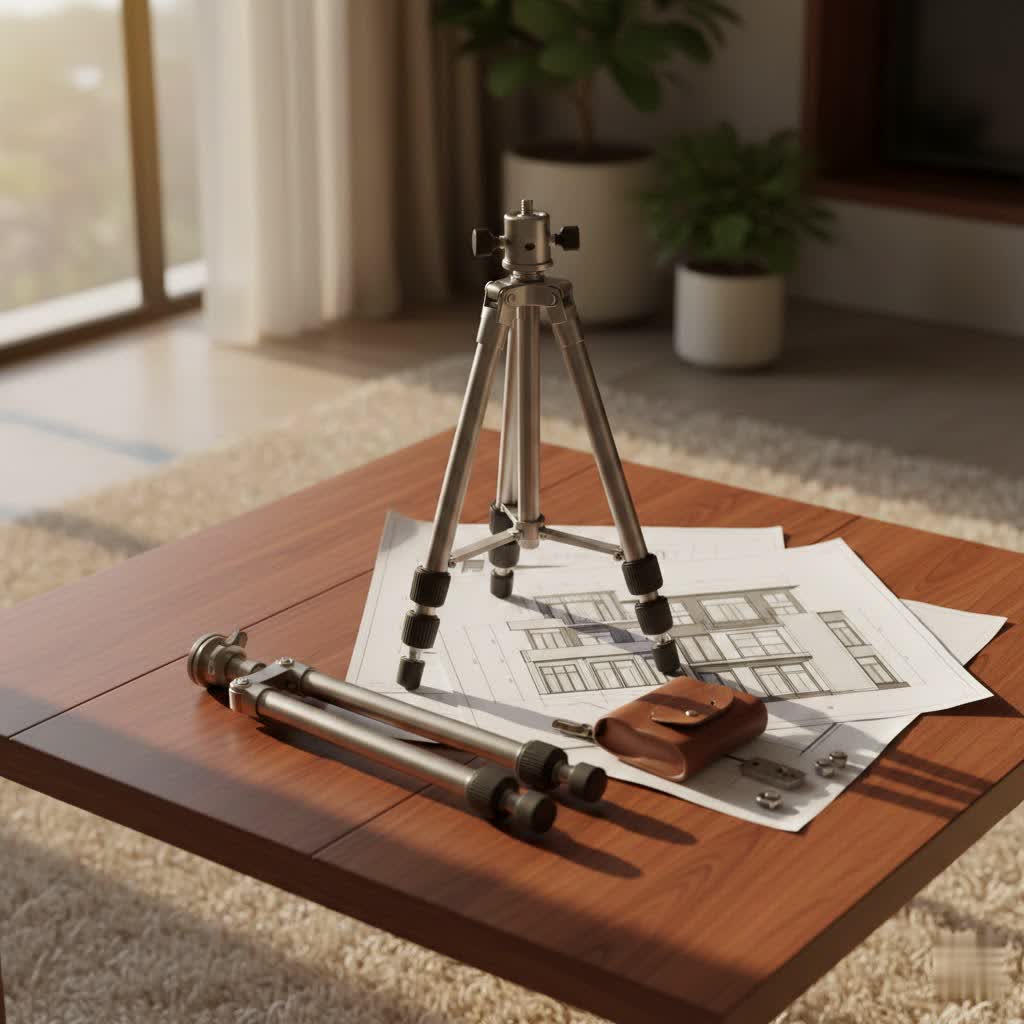
Simply put, a tripod backdrop stand is a portable, adjustable frame designed to securely hold various backgrounds for your photography, videography, or event needs. Think of it as the scaffolding that builds your perfect scene. Its primary function is to provide a clean, consistent setting, ensuring your focus remains squarely on the subject.
Why is it so indispensable? Imagine trying to shoot a headshot against a busy living room wall, or attempting a product shoot without a seamless background. Distractions creep in, shadows fall awkwardly, and your final image lacks that professional finesse. A reliable tripod backdrop stand eliminates these headaches, offering a controlled environment that elevates the quality and impact of your work. From dynamic portraits and intricate product photography to vibrant event photo booths and slick video interviews, this stand provides the blank canvas you need to bring your creative visions to life.
Anatomy of Stability: Key Components of Your Tripod Backdrop Stand
A standard tripod backdrop stand kit typically comprises a few core components that work in harmony to create a stable, adjustable framework:
- Vertical Uprights: These act much like traditional light stands or camera tripods, providing the necessary height and foundational support. They usually feature adjustable legs that fan out from a central column, forming a wide, stable base. Robust locking mechanisms, such as tension levers, knobs, or wingnuts, allow for precise height adjustments and secure positioning.
- Telescoping Crossbar: This horizontal bar spans the distance between the two uprights at the top. Most crossbars are segmented and telescoping, meaning they can be adjusted in width to accommodate different backdrop sizes and can be disassembled for easy portability.
- Essential Accessories: Many kits come complete with practical accessories like heavy-duty spring clamps to secure your backdrop material and sandbags to add extra weight and stability, especially when working with heavier backdrops or in windy conditions. A dedicated carrying bag is also a common inclusion, making transport and storage a breeze.
Tripod vs. X-Frame: A Stability Showdown
|
Our Picks for the Best Tripod Stand in 2026
As an Amazon Associate I earn from qualifying purchases.
|
||
| Num | Product | Action |
|---|---|---|
| 1 | IFOOTAGE RB-A400 Round Base Light Stand Monopod, 79\" Tripod Monopod for Cameras, Lights, Webcam, Live Streaming, Vlogging, Payload 22LBS |

|
| 2 | 64” Tripod for Cell Phone & Camera, Phone Tripod with Remote and Phone Holder, Sturdy & Stable Height Adjustable Multi-Angle Shot Selfie Stick Tripod for Video Recording |
|
| 3 | SENSYNE 62\" Phone Tripod & Selfie Stick, Extendable Cell Phone Tripod Stand with Wireless Remote and Phone Holder, Compatible with iPhone Android Phone, Camera |
|
| 4 | Projector Stand Tripod Adjustable, Laptop Height from 23.5 to 46.5 inches with Gooseneck Phone Holder, Floor for Office, Home, Stage, Studio, DJ Racks Holder Mount, 23.5inch-46.5inch |
|
| 5 | Amazon Basics 50-inch Lightweight Portable Camera Tripod Stand with Quick-Release Plate, Adjustable Height, Aluminum, for Travel Photography, Champagne |
|
| 6 | EUCOS 62\" Phone Tripod, Tripod for iPhone & Selfie Stick with Remote, Extendable Cell Phone Stand & Ultimate Phone Holder, Solidest Phone Stand Compatible with iPhone/Android |
|
| 7 | Laptop Tripod Stand – Adjustable Laptop Holder with Phone Mount - Heavy- Duty Alloy Tripod Stand with Tray - Height Adjustable 0.65–1.6m - Portable, Foldable, 15kg Load Capacity - Black |
|
| 8 | TONEOF 68\" Magnetic Selfie Stick Tripod with Aluminum Strong Magnetic Holder for Magsafe, 360° Rotatable Travel Phone Tripod Stand with Metal Ring & Rechargeable Remote for iPhone/Android(Beige Gray) |
|
| 9 | CAMBOFOTO 74\"-Camera-Tripod, Professional Aluminum Tripod/Leg Stand Mirrorless Camera/DSLR/Cell Phone/Camcorder/GoPro, with Phone Holder and Travel Bag (Gunmetal Gray) Weight 2.8 lbs Load 8.8 lbs |
|
| 10 | 71” Phone Tripod & Selfie Stick, Portable All in One Extendable Cell Phone Tripod Stand, with Wireless Remote Control for iPhone/Samsung/Android/Camera |
|
When it comes to stability, not all backdrop stands are created equal. You might encounter “X-frame” stands, which rely on tension from crisscrossing arms. However, tripod backdrop stands offer superior stability, particularly with heavy materials like muslin backdrops. The design, much like a camera tripod, distributes weight across three independently adjustable legs, creating a wider, more secure base. This geometric advantage minimizes tipping risk and significantly reduces vibrations, which is crucial for sharp images and steady video. Imagine needing to level your setup on uneven ground – a tripod design allows for individual leg adjustments, a feature often absent in rigid X-frames. Some even boast rubberized foot caps and reinforced steel joints for added dampening and security.
Setting Up for Success: A Step-by-Step Guide to Assembling Your Stand
Assembling your tripod backdrop stand might seem daunting at first, but it’s a straightforward process that becomes second nature with practice. Here’s how to set it up for optimal performance:
- Unpack and Prepare: Start by laying out all your components on a clean, level surface. You’ll typically have two upright stands and several sections for your crossbar.
- Stabilize the Uprights: Begin with one vertical upright. Loosen the locking knob or wingnut on the base collar and fully extend the tripod legs outward. This creates the widest possible footprint, which is key for maximum stability and lowers the stand’s center of gravity. Secure the deployed legs by tightening the locking mechanism. Now, loosen the tension levers on the central column and gently raise the upright to a conservative height. You can fine-tune this later. Position both uprights parallel to each other at a distance that roughly matches your desired backdrop width. Repeat for the second upright.
- Assemble the Crossbar: If your crossbar is segmented, connect the pieces by slotting or snapping them together. Listen for integrated locking buttons to engage, ensuring a rigid bar that can support your backdrop’s weight.
- Connect and Secure: With your crossbar assembled, carefully lift it and slip its end pieces over the mounting studs or spigots located at the top of each upright. Tighten any wingnuts or knobs on the crossbar ends to firmly secure it to the supports, preventing it from lifting off.
- Attach Your Backdrop: Now for the star of the show – your backdrop! If it has a pole-pocket sleeve, simply thread the crossbar through it. For backdrops without a sleeve, use your spring clamps. Attach them at regular intervals along the top edge of the backdrop to maintain even tension and keep it wrinkle-free.
- Final Adjustments: Once the backdrop is in place, you can make final height and width adjustments. Remember to loosen the tension levers, make your adjustments, and then securely tighten them again.
Tip: For optimal stability, always extend the tripod legs fully outward to create the widest possible base. This simple step dramatically reduces the risk of your stand toppling, especially with heavier backdrops or when adjusting its maximum height.
Beyond Basics: Maximizing the Benefits of Your Tripod Backdrop Stand
A well-chosen tripod backdrop stand is more than just a frame; it’s a foundation for creative excellence, offering benefits that extend far beyond simply holding a cloth.
Unmatched Versatility for Any Vision
From fine art portraits to bustling event setups, the adaptability of a tripod backdrop stand is paramount. It effortlessly accommodates a diverse range of backdrops—be it classic muslin for soft, diffused looks, crisp paper rolls for seamless sweeps, durable vinyl for outdoor shoots, or custom fabric for themed events. This flexibility allows photographers and videographers to adapt to various creative requirements and seamlessly transition between different project types without needing multiple specialized stands.
Elevating Workflow and Creative Control
One of the most significant advantages is the boost to your workflow efficiency. The real-time height and angle adjustments available on a quality tripod stand can cut your setup time dramatically. Imagine easily lowering your backdrop for a waist-up portrait after capturing a full-body shot, all without complex disassembly. Some stands even allow for subtle tilting by adjusting individual leg heights, a clever trick for eliminating glare on reflective surfaces or adding a touch of depth to your product photography. This level of control means you spend less time wrestling with equipment and more time focusing on composition, lighting, and connecting with your subject.
Seamless Integration with Your Lighting Setup
Good lighting is non-negotiable, and a well-designed tripod backdrop stand understands this. Many models feature low-profile leg configurations that splay outward just enough to provide stability without interfering with your lighting rigs. This thoughtful design ensures ample clearance for C-stands, softboxes, beauty dishes, and reflectors, even when positioned at extreme angles. Some even feature hollow legs, offering a discreet way to manage cables and keep your set free from tripping hazards and messy wires. This harmonious integration means your lighting can be positioned exactly where you need it, optimizing shadow fall-off and overall illumination.
Portability and Durability: Built for the Road and Studio
Whether you’re a globetrotting freelancer or a home studio enthusiast, portability is key. Tripod backdrop stands are typically lightweight and collapsible, breaking down into compact pieces that fit snugly into their included carrying bags. This makes them ideal for on-location shoots, allowing you to create professional setups anywhere, anytime. Constructed from robust materials like aluminum alloy and steel, and often finished with a powder coating for moisture resistance, these stands are built to withstand the rigors of frequent use. With proper care, your investment will provide reliable performance for years, proving its value shot after shot.
Choosing Your Perfect Tripod Backdrop Stand
Selecting the right tripod backdrop stand involves considering your specific needs:
- Size and Adjustability: Think about the largest backdrop you’ll use and the maximum height/width you’ll need. Ensure the stand’s adjustable range can accommodate your requirements (e.g., a stand with 10ft width and 10ft height is a common versatile option).
- Material and Load Capacity: Look for durable materials like aluminum alloy for a good balance of strength and portability. Check the maximum load capacity to ensure it can safely support your heaviest backdrops, plus any clips or accessories. For heavier materials like thick muslin or large paper rolls, a stand with a higher load capacity is crucial.
- Included Accessories: Kits often come with spring clamps and sandbags. High-quality, silicone-lined clamps are preferable to prevent damage to your backdrops. Sandbags are highly recommended for added stability, especially with larger backdrops or in areas with potential air currents.
Ultimately, investing in a quality tripod backdrop stand is an investment in the professionalism and creative potential of your photography and videography.
Frequently Asked Questions (FAQ)
What is a tripod backdrop stand used for?
A tripod backdrop stand is primarily used to hold various types of backdrops (fabric, paper, vinyl) securely in place for photography, videography, or event settings, creating a clean, controlled, and professional background for your subjects.
How do I make my backdrop stand more stable?
To maximize stability, always fully extend the tripod legs to their widest possible footprint. Ensure all locking mechanisms on both the legs and telescoping poles are tightly secured. For added stability, especially with heavy backdrops or in outdoor settings, use sandbags weighted with sand or heavy objects on the legs of the stand.
Can I use any backdrop with a tripod stand?
Most tripod backdrop stands are designed to be versatile and can accommodate a wide range of backdrops. Whether your backdrop has a pole-pocket sleeve or requires clamps, a good quality stand with adjustable width and strong clips can hold muslin, paper, vinyl, or fabric backdrops securely and wrinkle-free.
What size tripod backdrop stand do I need?
The ideal size depends on your shooting space, the size of your subjects, and the dimensions of your backdrops. Common sizes range from 5ft to 10ft in width and 6ft to 10ft in height. Consider a stand that offers a generous adjustable range in both dimensions to provide maximum flexibility for different projects.
Are sandbags necessary for a backdrop stand?
While not always strictly “necessary” for very light backdrops in calm indoor environments, sandbags are highly recommended. They significantly increase stability, prevent tipping, and are crucial when using heavier backdrops, extending the stand to its maximum height, or shooting outdoors where wind might be a factor.
How do I store my backdrop stand?
For longevity and convenience, always disassemble your backdrop stand by reversing the setup process. Collapse the uprights and crossbar sections, and then store all components in their designated carrying bag. This protects the parts from dust, scratches, and damage during transport or storage.
Unlock Your Creative Vision with Confidence
The tripod backdrop stand isn’t just another piece of gear; it’s a silent workhorse that enables your creative brilliance. It offers the stability, versatility, and professional finish that can transform ordinary shots into extraordinary ones. By understanding its components, mastering its setup, and leveraging its many benefits, you gain the freedom to experiment, innovate, and consistently produce high-quality content. So, go ahead, set up your stand, choose your perfect backdrop, and let your artistic vision take center stage with confidence. The perfect shot is waiting.
