In the dynamic world of photography, videography, and live streaming, where every detail can make or break a shot, the humble Tripod Light Stand often goes unnoticed. Yet, it’s the unsung hero, the stable foundation upon which perfect lighting is built. Without a reliable light stand, your carefully chosen strobe, LED panel, or reflector could be precariously perched, risking both equipment damage and compromised aesthetics. This comprehensive guide will illuminate everything you need to know about selecting, using, and maintaining this indispensable piece of gear, transforming you from a hesitant setup artist to a confident lighting maestro.
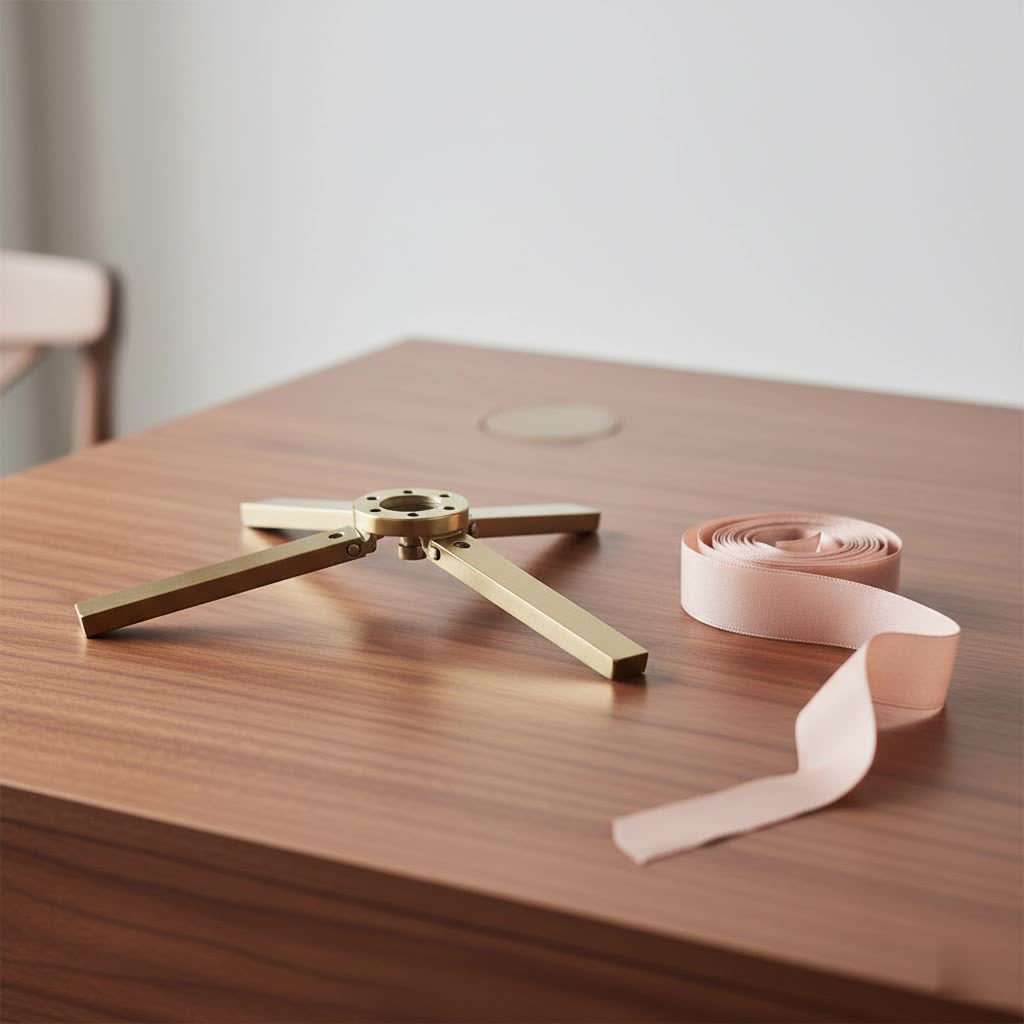
Why Every Creator Needs a Tripod Light Stand
At its core, a tripod light stand is designed to elevate and stabilize your lighting equipment. Unlike a camera tripod, which holds your camera, a light stand is purpose-built to securely support lights, modifiers, and other grip gear at various heights and angles. This fundamental role translates into several critical benefits for any visual creator.
Stability and safety are paramount. A well-chosen tripod light stand prevents expensive lights from toppling over, especially when paired with large, wind-catching modifiers. Beyond just holding gear, a sturdy stand ensures your lighting remains consistent throughout a shoot, eliminating unwanted wobbles or shifts that could ruin a sequence of shots. Its versatility means it can adapt to countless scenarios, from a controlled studio environment to the unpredictable conditions of an outdoor location.
What are the Different Types of Light Stands?
Understanding the various types of light stands is crucial for making an informed choice that suits your specific workflow and equipment. Each type offers distinct advantages:
- Standard Tripod Light Stands: These are the most common and versatile, featuring three collapsible legs and an extendable center column. They are lightweight, portable, and suitable for most smaller to medium-sized lights and modifiers. Often, they come with air-cushioning for added safety.
- Air-Cushioned Light Stands: A refinement of the standard design, air-cushioned light stands incorporate a pneumatic mechanism in their center columns. This clever feature prevents sections from slamming down abruptly when unlocked, protecting your lights and fingers from accidental drops and impacts. It’s a small detail that offers significant peace of mind.
- Heavy-Duty Light Stands (C-Stands/Combo Stands): When you need serious support for heavy lights, large softboxes, or even to hold flags and scrims, heavy-duty options like C-stands (Century Stands) or Combo Stands are the go-to. Known for their robust steel construction and exceptional stability, C-stands, in particular, feature a unique “turtle base” and often include grip heads and arms for precise positioning of accessories.
- Roller Stands: Designed for studio environments where mobility is key, roller stands feature wheels on their legs. This allows you to easily reposition heavy lights without having to lift and carry them, streamlining your workflow, especially with large setups.
- Boom Stands: These stands extend horizontally with an arm (boom) to position lights overhead or out of the frame. They are excellent for hair lights, top-down product photography, or when you need to illuminate a subject without the stand appearing in the shot.
|
Our Picks for the Best Tripod Stand in 2026
As an Amazon Associate I earn from qualifying purchases.
|
||
| Num | Product | Action |
|---|---|---|
| 1 | Amazon Basics 50-inch Lightweight Portable Camera Tripod Stand with Quick-Release Plate, Adjustable Height, Aluminum, for Travel Photography, Champagne |

|
| 2 | TONEOF 68\" Magnetic Selfie Stick Tripod with Aluminum Strong Magnetic Holder for Magsafe, 360° Rotatable Travel Phone Tripod Stand with Metal Ring & Rechargeable Remote for iPhone/Android(Beige Gray) |
|
| 3 | 71” Phone Tripod & Selfie Stick, Portable All in One Extendable Cell Phone Tripod Stand, with Wireless Remote Control for iPhone/Samsung/Android/Camera |
|
| 4 | Projector Stand Tripod Adjustable, Laptop Height from 23.5 to 46.5 inches with Gooseneck Phone Holder, Floor for Office, Home, Stage, Studio, DJ Racks Holder Mount, 23.5inch-46.5inch |
|
| 5 | 64” Tripod for Cell Phone & Camera, Phone Tripod with Remote and Phone Holder, Sturdy & Stable Height Adjustable Multi-Angle Shot Selfie Stick Tripod for Video Recording |
|
| 6 | CAMBOFOTO 74\"-Camera-Tripod, Professional Aluminum Tripod/Leg Stand Mirrorless Camera/DSLR/Cell Phone/Camcorder/GoPro, with Phone Holder and Travel Bag (Gunmetal Gray) Weight 2.8 lbs Load 8.8 lbs |
|
| 7 | IFOOTAGE RB-A400 Round Base Light Stand Monopod, 79\" Tripod Monopod for Cameras, Lights, Webcam, Live Streaming, Vlogging, Payload 22LBS |
|
| 8 | EUCOS 62\" Phone Tripod, Tripod for iPhone & Selfie Stick with Remote, Extendable Cell Phone Stand & Ultimate Phone Holder, Solidest Phone Stand Compatible with iPhone/Android |
|
| 9 | Laptop Tripod Stand – Adjustable Laptop Holder with Phone Mount - Heavy- Duty Alloy Tripod Stand with Tray - Height Adjustable 0.65–1.6m - Portable, Foldable, 15kg Load Capacity - Black |
|
| 10 | SENSYNE 62\" Phone Tripod & Selfie Stick, Extendable Cell Phone Tripod Stand with Wireless Remote and Phone Holder, Compatible with iPhone Android Phone, Camera |
|
Choosing the Right Tripod Light Stand for Your Needs
Selecting the perfect tripod light stand isn’t a one-size-fits-all decision. It involves carefully considering your equipment, shooting environment, and budget. Here’s what to look for:
- Height Matters: Consider both the minimum and maximum working height. Do you need to illuminate a full-body portrait or a tabletop product? Ensure the stand can extend high enough for your tallest requirements and collapse sufficiently for storage and portability.
- Weight Capacity is Crucial: This is arguably the most critical factor for safety. Always check the manufacturer’s specified weight capacity and ensure it comfortably exceeds the combined weight of your light, modifier (like a softbox or umbrella), and any additional accessories. Overloading a stand is a recipe for disaster.
- Stability and Footprint: A wider leg spread (footprint) generally indicates greater stability. Look for stands with sturdy leg braces and a solid locking mechanism. For outdoor shoots, a wider and heavier base will provide more resistance against wind.
- Material and Durability: Most light stands are made from either aluminum or steel. Aluminum stands are lighter and more portable, ideal for on-location work. Steel stands are heavier, more durable, and offer superior weight capacity and stability, making them perfect for permanent studio setups or supporting heavy gear.
- Portability and Storage: If you travel frequently for shoots, prioritize a light stand that is lightweight and collapses to a compact size. Check the folded length and overall weight. For studio use, these factors might be less critical.
- Mounting Options: The industry standard for mounting lights is a 5/8-inch stud (spigot). Ensure your stand has this universal fitting or compatible adapters.
- Air-Cushioning: A Safety Feature You’ll Appreciate. As mentioned, air-cushioning prevents sudden drops, which is particularly valuable when working with heavy or delicate lighting equipment. It’s a worthwhile investment for peace of mind.
Safe and Effective Usage of Your Tripod Light Stand
Even the best tripod light stand is only as safe as its operator. Proper setup and usage are key to protecting your gear and ensuring smooth, efficient shoots.
- Setting Up for Success: Always extend the legs fully to create the widest possible footprint. Ensure the stand is level on uneven surfaces, adjusting leg angles if necessary. When extending the center column, always start with the thickest section at the bottom for maximum stability.
- Weight Distribution and Balance: Center your light and modifier directly over the stand’s column. Uneven weight distribution can easily make the stand top-heavy and unstable.
- The Power of Sandbags: These are your best friends for stability. Place sandbags over the legs, close to the center column, to lower the center of gravity and provide essential counterweight. This is especially crucial for stands holding heavy equipment or those used outdoors.
- Avoiding Overloading: Never exceed the stated weight capacity of your tripod light stand. If you’re unsure, err on the side of caution or invest in a heavier-duty stand.
- Working with Modifiers: Large modifiers like softboxes and umbrellas act like sails in even a gentle breeze. Always secure them properly, and use sandbags liberally. In windy conditions, consider using smaller modifiers or having an assistant brace the stand.
- Environmental Awareness: Be mindful of your surroundings. Avoid placing stands in high-traffic areas where they could be tripped over. On uneven terrain, double-check stability and use sandbags.
How Do You Maintain a Tripod Light Stand?
Proper maintenance ensures your tripod light stand remains reliable for years to come.
- Regular cleaning: Wipe down the stand after each use to remove dust, dirt, and moisture. This prevents corrosion and keeps locking mechanisms smooth.
- Checking joints and fasteners: Periodically inspect all screws, bolts, and locking collars to ensure they are tight and functioning correctly. Loose parts can compromise stability.
- Proper storage to prevent damage: Collapse your stand fully and store it in a dry, safe place, ideally in a padded bag, to prevent dings, scratches, and bent components.
Expert Insights on Tripod Light Stands
“A reliable tripod light stand isn’t just a piece of gear; it’s the backbone of your lighting setup, ensuring both artistic freedom and the safety of your equipment,” emphasizes Eleanor Vance, a seasoned cinematographer and lighting director. Her wisdom underscores that while flashy lights often steal the spotlight, the support system beneath them is equally critical for achieving professional results and preventing costly accidents.
Frequently Asked Questions
What is the primary difference between a light stand and a C-stand?
A standard light stand is typically lighter, more portable, and ideal for basic lighting setups. A C-stand (Century Stand) is heavy-duty, usually made of steel, and designed for robust support of heavy lights, flags, and other grip equipment, offering superior stability and a unique base for better nesting.
How do I know what weight capacity I need for my tripod light stand?
Calculate the total weight of your heaviest light, plus its largest modifier (e.g., softbox), and any accessories you plan to mount on the stand. Then, choose a tripod light stand with a weight capacity that is comfortably above this combined weight to ensure safety and stability.
Are air-cushioned light stands worth the extra cost?
Absolutely. Air-cushioned light stands prevent sections of the stand from rapidly collapsing when unlocked, which can save your valuable lighting equipment from damage and protect your hands. The added safety and peace of mind make them a worthwhile investment for most creators.
Can I use a normal camera tripod as a light stand?
While technically possible for very lightweight lights, it is generally not recommended. Camera tripods are designed to hold a camera, not to withstand the leverage and bulk of lighting modifiers. Using them as light stands can lead to instability, damage to both the light and the tripod, and is generally unsafe.
What are sandbags used for with a tripod light stand?
Sandbags are used to add counterweight and stability to a tripod light stand, especially when using heavy lights, large modifiers, or shooting outdoors in windy conditions. They are typically placed over the legs of the stand to lower its center of gravity and prevent it from tipping over.
Conclusion
The tripod light stand may not be the flashiest piece of gear in your kit, but its importance cannot be overstated. It’s the silent workhorse that provides the stability and versatility necessary to craft compelling visuals. By understanding the different types, carefully considering your needs, and adhering to safe usage practices, you empower yourself to confidently illuminate any scene. Invest wisely in your light stands, maintain them well, and you’ll build a reliable foundation for all your creative endeavors, ensuring your lighting is always perfectly positioned and your equipment securely supported. Now go forth and light up your world with confidence!
