Every seasoned photographer and videographer knows that a truly great shot often begins not with the camera, but with its unwavering foundation. While compact gadgets have their place, the real workhorse for serious content creation is the “Stand Up Tripod” – a robust, full-sized support system that offers unparalleled stability, versatility, and the comfortable working height you need to bring your vision to life. This isn’t just about holding your camera; it’s about providing a rock-solid platform that liberates your creativity, allowing for precise compositions, breathtaking long exposures, and buttery-smooth video sequences without the dread of accidental wobbles or equipment failure.
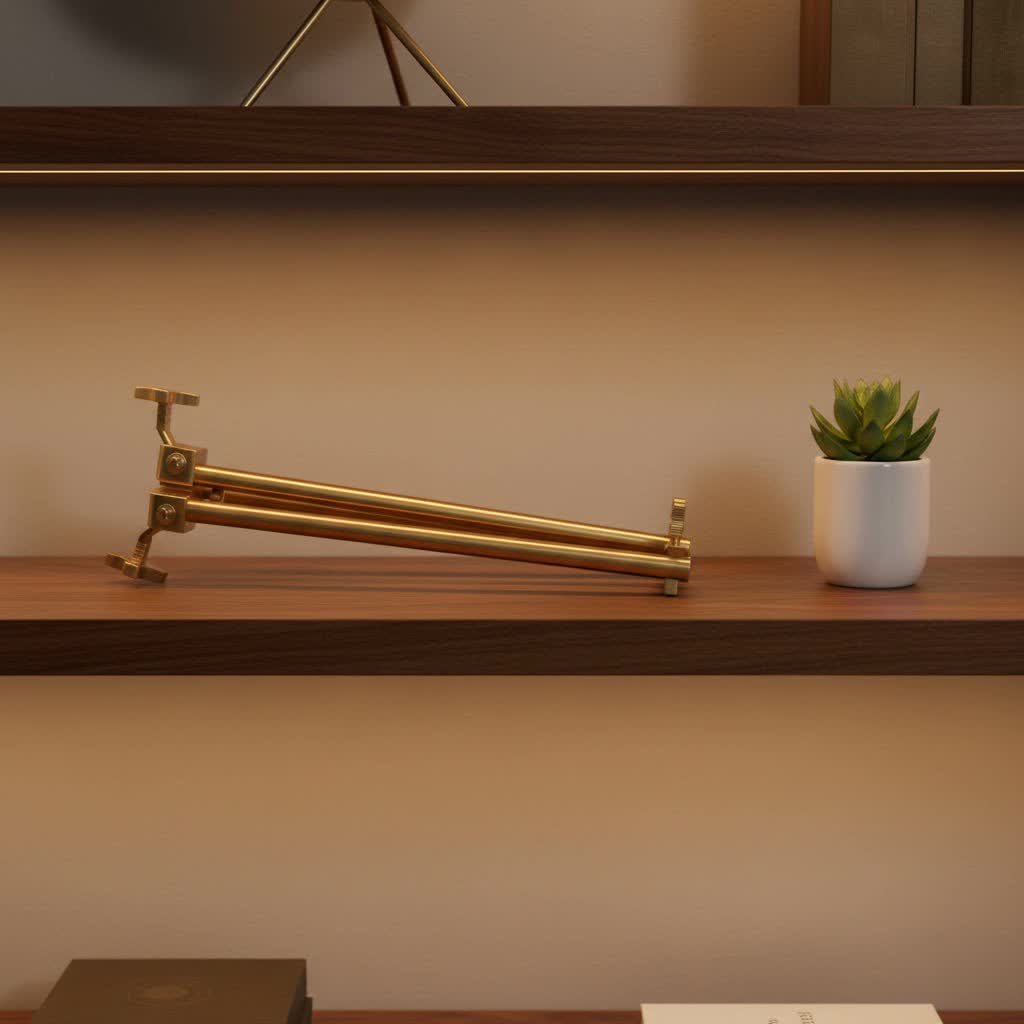
At SxJks, we believe in empowering creators with knowledge, and today, we’re diving deep into what makes a tripod truly stand out—and stand up—to the demands of professional use. Forget flimsy setups; we’re talking about the backbone of your gear, engineered for reliability, ease of use, and enduring performance, no matter where your artistic journey takes you.
What Makes a Tripod Stand Tall and Steady?
Choosing a tripod that can reliably “stand up” to the task isn’t just about height; it’s about a combination of engineering prowess and thoughtful design that ensures your valuable camera gear remains perfectly still, even in challenging conditions.
Beyond the Basics: Understanding Stability and Load Capacity
|
Our Picks for the Best Tripod Stand in 2026
As an Amazon Associate I earn from qualifying purchases.
|
||
| Num | Product | Action |
|---|---|---|
| 1 | CAMBOFOTO 74\"-Camera-Tripod, Professional Aluminum Tripod/Leg Stand Mirrorless Camera/DSLR/Cell Phone/Camcorder/GoPro, with Phone Holder and Travel Bag (Gunmetal Gray) Weight 2.8 lbs Load 8.8 lbs |

|
| 2 | Amazon Basics 50-inch Lightweight Portable Camera Tripod Stand with Quick-Release Plate, Adjustable Height, Aluminum, for Travel Photography, Champagne |
|
| 3 | SENSYNE 62\" Phone Tripod & Selfie Stick, Extendable Cell Phone Tripod Stand with Wireless Remote and Phone Holder, Compatible with iPhone Android Phone, Camera |
|
| 4 | IFOOTAGE RB-A400 Round Base Light Stand Monopod, 79\" Tripod Monopod for Cameras, Lights, Webcam, Live Streaming, Vlogging, Payload 22LBS |
|
| 5 | TONEOF 68\" Magnetic Selfie Stick Tripod with Aluminum Strong Magnetic Holder for Magsafe, 360° Rotatable Travel Phone Tripod Stand with Metal Ring & Rechargeable Remote for iPhone/Android(Beige Gray) |
|
| 6 | Laptop Tripod Stand – Adjustable Laptop Holder with Phone Mount - Heavy- Duty Alloy Tripod Stand with Tray - Height Adjustable 0.65–1.6m - Portable, Foldable, 15kg Load Capacity - Black |
|
| 7 | EUCOS 62\" Phone Tripod, Tripod for iPhone & Selfie Stick with Remote, Extendable Cell Phone Stand & Ultimate Phone Holder, Solidest Phone Stand Compatible with iPhone/Android |
|
| 8 | Projector Stand Tripod Adjustable, Laptop Height from 23.5 to 46.5 inches with Gooseneck Phone Holder, Floor for Office, Home, Stage, Studio, DJ Racks Holder Mount, 23.5inch-46.5inch |
|
| 9 | 64” Tripod for Cell Phone & Camera, Phone Tripod with Remote and Phone Holder, Sturdy & Stable Height Adjustable Multi-Angle Shot Selfie Stick Tripod for Video Recording |
|
| 10 | 71” Phone Tripod & Selfie Stick, Portable All in One Extendable Cell Phone Tripod Stand, with Wireless Remote Control for iPhone/Samsung/Android/Camera |
|
Stability is the bedrock of any good tripod. Without it, even the sharpest lens and most advanced camera will produce blurry, unusable images. For a stand up tripod, this means focusing on key structural elements. The materials play a huge role: carbon fiber tripods are lauded for being significantly lighter and stiffer than their aluminum counterparts, offering superior vibration dampening, which is crucial for long exposures. Aluminum, while heavier, provides excellent stability at a more accessible price point.
A critical, yet often overlooked, factor is load capacity. This isn’t just about whether the tripod can physically hold your camera; it’s about how much weight it can support stably. Experts recommend choosing a tripod with a load capacity at least 1.5 times the combined weight of your heaviest camera body, lens, and any accessories. For instance, the 3 Legged Thing Winston 2.0 boasts an impressive 88 lbs capacity, offering unmatched confidence for heavy camera setups. Tripods with larger leg diameters inherently offer greater strength and resistance to flexing. Additionally, many quality tripods include a ballast hook at the bottom of the center column, allowing you to hang a camera bag or weights to further enhance stability, especially in windy conditions.
Effortless Deployment: Speed and Ease of Use
In the fast-paced world of photography, the ability to quickly set up and adjust your stand up tripod can make all the difference between capturing a fleeting moment and missing it entirely.
When it comes to leg locks, you’ll generally encounter two main types: flip locks and twist locks. Flip locks are often favored by beginners for their straightforward visual confirmation of security and quick action. However, many professionals prefer twist locks for their smoother operation, enhanced durability, and reduced likelihood of snagging on gear or clothing. Some advanced twist-lock designs, like those found on the Vanguard Alta Pro 2+ series, require only a quarter turn to loosen, significantly speeding up deployment.
Beyond the legs, the tripod head and quick-release system are paramount for seamless camera attachment and precise adjustments. A high-quality ball head offers compact design and swift adjustments across multiple axes, making it a favorite for many photographers. For those requiring meticulous control, especially in videography or architectural photography, a 3-way or pan-and-tilt head allows for independent adjustment of each axis. Look for an Arca-Swiss compatible quick-release plate, which is widely recognized as an industry standard for its security and interoperability across different brands.
Key Features to Look for in Your Next Stand Up Tripod
Selecting the perfect stand up tripod involves balancing a range of features to match your specific shooting style and needs.
Maximum Height vs. Folded Length: Balancing Reach and Portability
A true “stand up tripod” needs to extend to a comfortable working height, typically around eye level or higher, to prevent hunching. Many full-size tripods offer maximum heights of 60 inches (152cm) or more. However, this extended reach often comes with a trade-off in folded length. While portability might seem secondary for a full-size tripod, its folded dimensions are crucial for transport, especially if you’re traveling or hiking. Consider how the tripod collapses; some feature legs that fold upwards to enclose the head, creating a more compact package.
Center Column Versatility: When to Extend, When to Avoid, and Pivoting Options
The center column can provide valuable extra height, but extending it too far can introduce wobble and compromise stability, especially during long exposures. Many professional photographers advise keeping the center column lowered or avoiding its extension when maximum stability is paramount. However, some advanced tripods, like the Vanguard Alta Pro 2+, feature a multi-angle or pivoting center column that can rotate horizontally, offering immense versatility for macro photography, overhead shots, or creative low-angle compositions. Some tripods even allow the center column to be removed entirely, enabling shots from just inches off the ground.
Footwear for Every Terrain: Rubber Feet, Spikes, and Swappable Options
The feet of your tripod are its connection to the ground, and different terrains demand different solutions. Most tripods come with rubber feet, which are ideal for studio floors, pavement, and delicate surfaces. For outdoor adventures on soft ground, sand, ice, or uneven terrain, metal spikes offer superior grip and stability. Many quality stand up tripods come with swappable feet or retractable rubber feet that conceal spikes, providing adaptability for any environment.
Build Quality & Durability: Investing in Longevity
A stand up tripod is an investment, and its durability directly impacts its long-term value. Look for models constructed from high-quality aluminum or carbon fiber for the legs, with CNC-milled metal components for critical joints rather than molded plastic. Features like sealed leg locks can prevent water, dust, and grit from entering the leg sections, prolonging the tripod’s life, especially for outdoor use. Remember, a well-built tripod should withstand the rigors of frequent use and diverse environments, ensuring your gear remains secure for years to come.
Top Stand Up Tripod Recommendations from the Experts
Based on extensive testing and professional insights, a few stand up tripods consistently rise to the top for their blend of stability, features, and durability.
- 3 Legged Thing Winston 2.0: Often hailed as one of the most stable tripods available, the Winston 2.0 is a carbon fiber powerhouse with an exceptional load capacity (88 lbs). Its robust leg sections and simple, no-frills design contribute to its incredible durability, making it ideal for photographers needing to support heavy equipment.
- Vanguard Alta Pro 2+ 263CB 100 Carbon Fiber: This tripod earns high marks for its overall performance, offering a superb balance of stability, versatility, and ease of use. Its unique multi-angle, pivoting center column provides unmatched adjustability for creative shots, and its twist locks ensure quick and secure setup. An aluminum version (263AB) is also available for those seeking a more budget-friendly option without sacrificing much quality.
- Manfrotto MT055CXPRO Series: Renowned for their robust construction and thoughtful features, Manfrotto’s 055 series (like the MT055CXPRO3 carbon fiber) provides excellent stability and a 90-degree pivoting center column, making it a favorite among enthusiasts. Their flip locks are cleverly designed for quick, secure action.
Maximizing Your Tripod’s Performance: Expert Tips
Even the best stand up tripod benefits from proper technique and care.
- Spread ‘Em Wide: Always extend the tripod legs as wide as possible to create the broadest and most stable base. Angle the legs independently on uneven terrain for optimal footing.
- Mind the Center Column: While tempting for extra height, avoid extending the center column unless absolutely necessary, especially for critical long exposures or heavy setups. If you do, ensure it’s locked securely.
- Add Weight for Stability: Utilize the ballast hook by hanging your camera bag or a dedicated sandbag. This lowers the center of gravity and significantly reduces vibrations, particularly in windy conditions.
- Remote Control is Key: Minimize camera shake by using a remote shutter release (wireless or wired) or the camera’s self-timer. Directly pressing the shutter button can introduce micro-vibrations that degrade image sharpness.
- Regular Maintenance: Keep leg locks clean and free of grit and sand. Periodically clean and inspect all moving parts to ensure smooth operation and extend the life of your stand up tripod.
Choosing Your Ideal Stand Up Tripod: A Checklist
To help you navigate the choices, here’s a quick checklist for your ideal stand up tripod:
- Material: Carbon fiber (lighter, stiffer, better vibration dampening) or Aluminum (more affordable, durable).
- Load Capacity: At least 1.5x your heaviest camera and lens combination.
- Max Height: Comfortable for your standing eye level, ideally with room for the center column to remain unextended.
- Folded Length: Practical for your transportation needs (travel, hiking).
- Leg Locks: Flip locks (fast, visible) or Twist locks (smoother, durable, preferred by pros).
- Head Type: Ball head (quick, versatile) or 3-way/Pan-tilt head (precise, videography-friendly).
- Quick-Release Plate: Arca-Swiss compatible for versatility.
- Center Column: Does it offer pivot/removable options for versatility, or do you prioritize maximum stability without it?
- Feet: Swappable rubber/spikes for diverse terrains.
- Durability: Robust construction, quality materials, and sealed mechanisms.
FAQ
What is the ideal height for a stand up tripod?
The ideal height for a stand up tripod allows you to comfortably look through your viewfinder or at your screen without stooping, typically around your eye level when standing. Many full-size tripods extend to 60 inches (152 cm) or more, providing ample height for most users.
Are carbon fiber tripods worth the extra cost?
For many photographers, yes. Carbon fiber tripods are lighter and stiffer than aluminum, offering superior vibration dampening which is crucial for sharp images, especially in long exposure photography. While more expensive, they can be a worthwhile investment for serious enthusiasts and professionals who prioritize performance and portability.
How much load capacity do I really need?
You need a tripod whose load capacity is at least 1.5 times the combined weight of your heaviest camera body, lens, and any accessories you’ll mount on it. This buffer ensures optimal stability and prevents strain on the tripod, which could lead to equipment damage.
What are the best leg locks for speed and security?
Both flip locks and twist locks have their merits. Flip locks are quick and provide clear visual confirmation of being locked, making them user-friendly. Twist locks, often preferred by pros, tend to be smoother, more durable, and less prone to snagging, with some designs allowing for very rapid deployment. The “best” depends on personal preference and how quickly you need to operate.
Can I use a “stand up tripod” for low-angle shots?
Absolutely! Many high-quality stand up tripods are designed for versatility. Features like removable or pivoting center columns, or legs that splay out independently, allow you to get your camera very close to the ground for stunning low-angle perspectives, even with full-size models.
Conclusion
Choosing the right stand up tripod is more than just buying an accessory; it’s investing in the foundation of your photographic and videographic pursuits. A truly great tripod provides the unwavering stability, comfortable working height, and effortless usability that empowers you to capture exceptional images and video, from expansive landscapes to detailed studio portraits. By understanding the critical factors like material, load capacity, leg locks, and head types, you can confidently select a “stand up tripod” that not only meets but exceeds your creative demands.
We encourage you to explore the options, consider your unique shooting style, and invest in a tripod that will reliably stand by you on every photographic adventure. Share your experiences and favorite stand up tripods with us at SxJks – we love hearing how you elevate your craft!
